The Russian lip filler technique involves the vertical injection of 0.5–1ml of hyaluronic acid by a specialized practitioner. It focuses on lifting the Cupid’s bow to create a naturally, subtly pouty, heart-shaped contour, effectively avoiding the “duck lip” look. Results typically last 6 to 12 months, offering a safe and aesthetically pleasing outcome.
What Defines the Russian Lip
Vertical Injection & Anatomical Layers
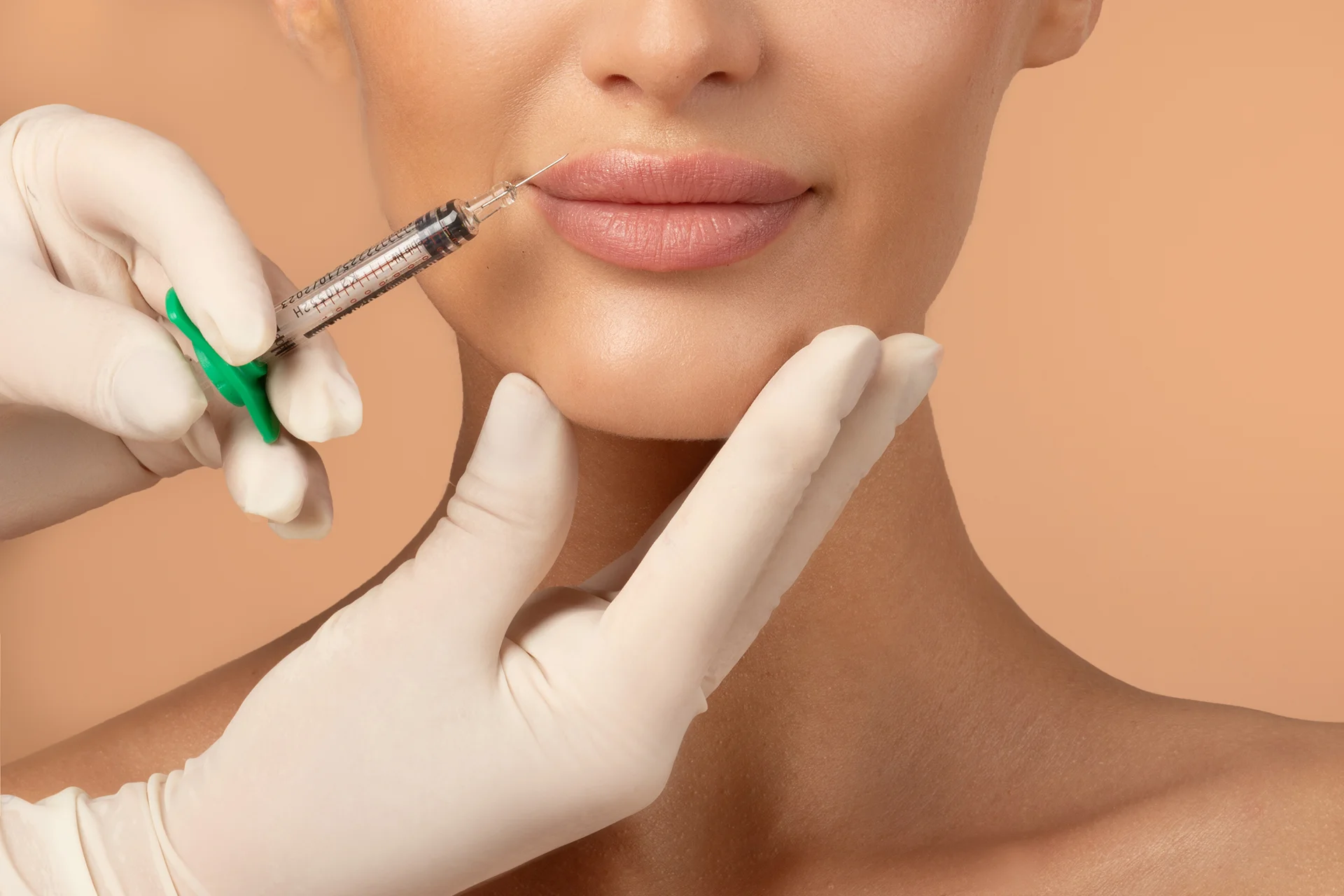
The is inserted vertically at a 90-degree angle, penetrating the connective tissue of the vermilion border, which offers higher resistance. This approach avoids creating the horizontal subcutaneous tunnels typical of traditional methods. The practitioner monitors resistance changes by feel, stopping the tip at a submucosal depth of 2.5mm to 3mm. The volume released during a single withdrawal is precisely controlled at 0.0125ml. This micro-droplet strategy aims to form vertical, pillar-like structures less than 1mm in diameter. These pillars utilize physical tension to push the lip tissue upward rather than stretching it outward. This typically achieves a vertical lift of about 3mm, effectively expanding the exposed area of the red lip from a frontal view. The main branches of the labial artery are located at a depth of 4mm, making this a high-risk area that must be strictly avoided. Using a 32G ultra-thin wall, the practitioner distributes the filler in a fan-like pattern within a safe depth. Each side of the lip requires 12 to 15 vertical punctures. A physiological spacing of 1.5mm is maintained between each injection channel, leaving physical space for the tissue to metabolize fluids.
- 24mg/ml: The physical concentration metric for highly cross-linked hyaluronic acid.
- 300Pa: The average elastic modulus (G’) required for the vertical pillars to withstand pressure.
- 0.5mm: The design length of the bevel, intended for micro-injections.
- 70–90 degrees: The gravity-responsive angle formed between the and the lip surface.
- 1.5mm: The strict upper limit for any increase in lateral projection.
These vertical pillars create a support system within the interstitial spaces, much like an architectural framework. Under pressure, the highly cohesive hyaluronic acid molecules maintain a linear arrangement without dispersing into the surrounding muscle layer. This alignment counteracts the compressive force generated by the contraction of the orbicularis oris muscle. This physical stability ensures the lip borders remain sharp and defined for up to 8 months. The two peaks of the Cupid’s bow are reinforced with paired vertical micro-droplets. These injection points intersect at a 30-degree angle, precisely anchoring at the base of the philtral columns. Once lifted, the Cupid’s bow visually creates a 1.5mm vertical drop. If there is residual horizontal filler from previous treatments, it must be dissolved using 150U to 300U of hyaluronidase. The dissolving process needs to cover the entire lip layer, taking about 24 hours to complete the degradation of the cross-linked chains. Once cleared, the tissue requires a 10-day waiting period to rebuild its physiological barrier.
- 35%: The expected rate of physiological edema within the first 48 hours post-procedure.
- 60 seconds: The effective physical compression time required to stop bleeding at the puncture sites.
- 14 days: The integration cycle for the filler molecules to merge with native collagen.
- 5–7 days: The metabolic clearance time for minor bruising caused by capillary damage.
- 2mm: The safe buffer distance between the tip and the wet-dry mucosal junction.
Practitioners use fingertip pressure to instantly mold each vertical tunnel. By physically massaging the injected 0.01ml micro-droplets, they eliminate any potential nodules larger than 0.5mm. This technique ensures a seamless integration between the filler and the muscle fibers. The crisp definition of the vermilion border stems from the barrier effect created by these vertical pillars. This “vertical wall” prevents the hyaluronic acid from migrating into the perioral skin over time—migration being the primary culprit behind the dreaded “duck lip.” By halting the injection 0.5mm away from the vermilion border, the practitioner leverages pressure differentials to guide the material’s natural distribution, preserving a razor-sharp edge. Volume distribution in the lower lip adheres to the golden ratio of 1:1.618. The two main focal points for volume are located 4mm on either side of the lower lip’s midline. Each point receives three stacked vertical injections, with the total volume per point strictly capped at 0.05ml. High-frequency puncturing causes intense physical stimulation to the labial mucosa. Applying a 5% lidocaine cream 40 minutes prior to the procedure is standard practice. A local nerve block effectively shuts down pain transmission within a 1.5mm radius.
- 32G: An ultra-fine gauge used to minimize tissue tearing.
- 0.8mm: The maximum physical width limit of each vertical tunnel.
- 12 months: The median metabolic lifespan of high-modulus materials in the lip.
- 400Pa: The firmness threshold required to withstand forceful contractions of facial expression muscles.
Flattening the Side Profile
The enters the edge of the vermilion border vertically at a 90-degree angle, with the penetration depth locked precisely between 2.5mm and 3.5mm. This depth sits perfectly within the superficial fibers of the orbicularis oris muscle, avoiding the labial artery located at a depth of 4mm. Following this vertical path, the filler no longer spreads outward along skin tension lines as it does with horizontal methods. Viewed from the side, the vertical upward thrust causes the red lip tissue to flip upward (evert) rather than project outward. During withdrawal, injection pressure is kept steady at around 0.05MPa, ensuring that only a micro-dose of 0.0125ml remains in each tunnel. These tiny hyaluronic acid particles stack vertically within the tissue, creating structural columns roughly 0.8mm in diameter. The physical tension generated by these supporting columns keeps the side profile of the lip almost perfectly straight vertically. This structured stacking limits any increase in forward lateral projection to under 1.5mm. The table below uses quantitative metrics to compare how different techniques shape the side profile:
| Measurement Dimension | Traditional Filler Data | Russian Lip Data |
|---|---|---|
| Lateral Projection Height | 3.5mm – 5.5mm | 0.8mm – 1.5mm |
| Nasolabial Angle | 80° – 90° (Narrowed) | 95° – 110° (Opened) |
| Ricketts’ E-line Distance | 0mm to Positive values | -2mm to -4mm |
| Filler Modulus (G’ Prime) | 180Pa – 200Pa | 320Pa – 420Pa |
| Single-Point Dose Volume | 0.05ml – 0.1ml | 0.01ml – 0.02ml |
The side-profile appearance of the Cupid’s bow relies on two sets of vertical tunnels intersecting at a 30-degree angle. Located at the base of the philtral columns, these tunnels are designed for an upward lift of approximately 1.8mm. From a profile view, the Cupid’s bow exhibits an upward curled definition rather than a fleshy, forward protrusion. This structure visually shortens the philtrum by 15%, enhancing mid-face dimensionality. Achieving this flattened side profile hinges on the strict rationing of volume at the wet-dry mucosal junction. The dose injected into the wet mucosa must be at least 50% less than that in the dry mucosa. This asymmetrical distribution guides light to reflect off the lip’s surface in a specific pattern. From a profile perspective, the lips remain comfortably within the negative space of Ricketts’ E-line (the line connecting the tip of the nose to the chin) at a consistent -3mm. Utilizing a high-concentration, highly cross-linked hyaluronic acid (24mg/ml) provides the physical foundation necessary to sustain the vertical pillars. The material’s cohesiveness must be strong enough to withstand the roughly 12,000 daily contractions of the orbicularis oris muscle. The biological scaffold formed by high-modulus fillers in these vertical channels can maintain spatial stability for 8 to 12 months. In such a high-tension environment, low-cohesion materials would disperse laterally, resulting in a bloated, bulky side profile within just 100 days post-procedure.
- Ultra-thin 32G reduce the sensation of tissue tearing by about 40%.
- Absolutely no lateral infiltration occurs within 0.5mm of the vermilion border.
- The upper lip on each side features 12 to 16 independent vertical pillars.
- Localized point pressure must be applied for at least 90 seconds post-injection.
- The rate of physiological tissue fluid exudation is approximately 25% within the first 48 hours.
Practitioners monitor anatomical layers through fingertip resistance. When the enters the connective tissue spaces where resistance suddenly drops, injection must stop immediately. If filler mistakenly enters the loose areolar layer, it will migrate horizontally along the tissue gaps, instantly ruining the flat side profile. Every single injection must be tightly enveloped by muscle fibers; this anchoring force is a prerequisite for maintaining the straight-line appearance from the side. Volume stacking at the oral commissures (corners of the mouth) is strictly limited to under 0.05ml to prevent lateral bulging. Vertical injection points stop 2.5mm shy of the corners, utilizing the filler’s cohesiveness to create a subtle upward suspension effect. This technique physically counteracts the drooping of the mouth corners caused by tissue atrophy. When viewed from the side, the lip corner lines remain smooth and lump-free, preserving the visual center of gravity for the lower third of the face.
- 150U to 300U hyaluronidase: The standard dosage for clearing old filler residue.
- 10 days: The physiological recovery cycle for the tissue barrier after old material is dissolved.
- 30 minutes: The penetration threshold for 5% lidocaine cream on the lips.
- 2mm: The physical safety interval between puncture points to prevent skin tearing.
- 1.5mm: The maximum distance between the side profile and the initial anatomical base.
High-density vertical punctures cause instantaneous pressure fluctuations in local microcirculation. Skin color must be closely monitored during the procedure; any blanching exceeding 0.5mm in diameter requires immediate physical acupressure. Because injection points are concentrated on the vermilion, the incidence of minor postoperative bruising is 35% higher than with traditional methods. These marks typically metabolize completely via the lymphatic system within 5 to 7 days. For patients with skin thinner than 1.2mm, depth must be reduced to 2.5mm. This superficial distribution requires extreme uniformity to prevent the Tyndall effect, which can cast a bluish tint on the side profile. For those with skin thickness exceeding 2mm, the single-point injection dose can be increased to 0.02ml.
Clinical Practice Considerations
Vertical injection techniques involve up to 30 punctures within a mere 1.5cm² area of the red lip. The frequent mechanical trauma means that standard topical anesthetics struggle to mask the deep-seated pain. A 2mm thick layer of compound lidocaine gel must be applied 40 minutes prior to the procedure.
Once the number of entry points on a single side exceeds ten, the analgesic effect of topical anesthetics experiences a cliff-like drop.
Administering an intraoral nerve block is a mandatory standard procedure. Using a long 27G, 0.5ml of 2% aqueous lidocaine solution is injected around both the infraorbital and mental foramina. Within just 3 minutes, an area with a 3cm radius around the lips loses sensation, and the tension of the orbicularis oris muscle drops to an absolute minimum. When treating patients who have previously undergone traditional lip fillers, the first step is clearing out the old residue. Previous hyaluronic acid often forms clumps wedged in muscle crevices up to 4mm deep. Without a thorough cleanup, the newly injected, high-firmness material will simply slide laterally into these pre-existing widened gaps.
- Injecting 150U to 300U of hyaluronidase per side for comprehensive degradation.
- The dissolving reaction peaks within the first 2 hours of contact with old residue.
- The unlinked old material is flushed out via lymphatic fluid within 24 to 48 hours.
- The tissue edema caused by the cleanup typically takes 7 to 10 days to metabolize.
After clearing the old material, the previously overstretched mucosal layer will experience a brief period of laxity. It is crucial to patiently wait 14 days for the subcutaneous collagen fiber network to tighten back up. Only on a completely clean anatomical base with restored tension can the newly injected vertical micro-pillars secure a solid “grip” exceeding 200Pa. Dense puncturing inevitably strikes capillaries ranging from 0.1mm to 0.3mm in diameter. The volume of bleeding at the exact moment of withdrawal is roughly three times higher than with older methods. The practitioner must apply firm, sustained pressure with sterile gauze after every 2 to 3 injection points.
Sustained pressure for 60 seconds is a strict requirement to stop microvascular bleeding; falling short of this time allows the subcutaneous bleeding area to multiply exponentially.
If tiny subcutaneous blood clots are not massaged away immediately, they oxidize within 48 hours into purplish-blue plaques about 3mm in diameter. Wearing powder-free nitrile gloves, the doctor continuously pinches and presses the injected areas with their thumb and index finger. This repeated kneading disperses red blood cells trapped in the tissue fluid, preventing nodule formation. Injecting a highly cross-linked material at a concentration of 24mg/ml requires the thumb to exert 15 Newtons of pushing force. Battling the resistance of an ultra-fine 32G, the gel is extruded into the subcutaneous tissue as a 0.5mm diameter thread. A mere millisecond’s hesitation in the practitioner’s hand will cause this thread to pool into a 0.8mm hard lump inside the tissue.
- The ‘s tilt angle must remain locked strictly between 85 and 90 degrees throughout.
- For every 1mm the retracts, the plunger must precisely release 0.005ml of solution.
- A single session takes up to 45 minutes, double the time of conventional methods.
- Operatory lighting must hit a shadowless 1,000 lux to clearly visualize the specific pathways of blood vessels.
When the tip reaches the 3mm maximum depth beneath the mucosa, tactile feedback from the fingers often detects danger before the eyes can. If the punctures the fascia and slips into the loose fat compartment, resistance in the hand vanishes instantly. Pushing even 0.01ml more at this moment will create an un-smoothable, granular bump inside the upper lip. Battered by the dual insults of dense punctures and high-concentration material, local tissue fluids seep out heavily. Freshly treated lips will swell 25% to 35% larger than the intended target volume. This acute swelling peaks within 12 hours post-injection, making the lips look highly exaggerated.
Within the first 48 hours post-procedure, internal lip pressure skyrockets to three times its normal level, leaving unanchored vertical pillars highly susceptible to tilting.
Applying ice packs is an effective analgesic method for controlling acute swelling. Medical ice packs chilled to between 4°C and 6°C should be applied to the lips for 15 minutes every 2 hours. The low temperature rapidly constricts capillaries, cutting the release of inflammatory mediators by 50%. After 72 hours, the hyaluronic acid molecules finish exchanging moisture with the tissue fluid, and the volume naturally subsides by about 15%. For patients over 45 experiencing perioral muscle atrophy, single-session procedures carry a high risk of error. Their lip connective tissues have often lost more than 30% of their elastin fibers. Forcing more than 0.6ml of high-firmness filler into one side will result in the tissue failing to contain it, causing the material to spill outward beyond the lip margins.
- For extremely thin lips with skin less than 0.8mm thick, the total volume for the first session must be strictly capped under 0.5ml.
- A 2mm gap must be left untreated where the upper and lower lips meet to prevent the mouth from failing to close.
- The interval between staged refill sessions should be extended to four weeks, leaving ample time for the microvascular network to rebuild.
Step-by-Step Technique Tutorial
Pre-procedure Mapping
The operatory lighting must be maintained at an intensity of 10,000 lux. This brightness allows practitioners to discern anatomical undulations along the vermilion border at the 0.1mm level, avoiding visual misjudgments caused by shadows. Using a digital caliper, measure the distance from the base of the columella to the highest point of the vermilion border; the standard measurement typically falls between 12mm and 15mm. If this distance exceeds 18mm, the density of vertical lifting injections must be increased by 15% to compensate for the visual dispersion caused by an elongated philtrum. Use a sterile surgical marker with an ultra-fine 0.5mm tip to plot coordinates at the two highest peaks of the Cupid’s bow. The span between these two points must be controlled within an 8mm to 12mm range, and any bilateral symmetry error must be kept strictly under 0.2mm.
- Cupid’s bow peak span: 8mm–12mm
- Vertical injection channels per side: 5–7
- Horizontal spacing between channels: 1.5mm
- Commissure avoidance safety zone: 3mm
- Lower lip volume center from midline: 2mm
The practitioner palpates the upper lip tissue to assess for subcutaneous nodules larger than 2mm. These nodules are typically residual migrated filler from previous procedures, presenting as a bulge above the vermilion border commonly known as a “filler mustache.” This condition dilutes the vertical lifting force essential to the Russian lip technique. If old residue is detected, hyaluronidase at a concentration of 150U/ml must be injected 14 days in advance to dissolve the material within a 3mm zone above the vermilion border. After waiting 14 days for tissue edema to fully resolve, reassess the mucosal thickness; the average measurement for Asian patients ranges from 1.2mm to 1.8mm. Mark the wet-dry mucosal junction, which serves as the absolute terminal limit for vertical advancement.
- Injection angle: 90° perpendicular to the lip border
- gauge: 30G or 32G ultra-thin wall short
- Penetration depth: 2.5mm to 3mm
- Volume per channel: 0.01ml–0.015ml
Scan the lips using an LED vein detector to avoid capillary branches exceeding 0.5mm in diameter. The superior labial artery is typically located 4mm submucosally; restricting penetration depth to under 3mm effectively mitigates risk. The reinforcement point for the philtral columns is mapped 5mm upward from the base to enhance the three-dimensional projection of the central axis. Mapping for the lower lip shifts to a bi-lobed structure. Center points are drawn 2mm on either side of the midline; these coordinates dictate the lower lip’s thickness. The maximum thickness of the lower lip must be maintained between 8mm and 10mm to visually balance the everted height of the upper lip.
- Lower lip volume point from commissure: 12mm
- Upper to lower lip height ratio: 1:1.5
- bevel orientation: Facing directly upward
- Aspiration observation time: 5 seconds
The selected hyaluronic acid must possess an elastic modulus (G’) of 450 Pa. This specific mechanical property ensures the vertical pillars do not collapse under the strain of facial expressions. A total dose of 0.6ml is allocated to the upper lip to construct 12 vertical micro-channels, while the remaining 0.4ml is reserved for the lower lip. Apply a 5% lidocaine cream, allowing it to sit for at least 20 minutes. Once topical anesthesia is complete, perform three alternating wipes with a 0.5% chlorhexidine solution, ensuring the surgical markings remain clearly visible post-disinfection. The practitioner will gently palpate the lip border with their fingertips to confirm the absence of invisible fibrosis. The layout of injection points follows a density gradient: concentrated in the center and sparse toward the sides. The central tubercle of the upper lip is reinforced with 3 high-density micro-channels, with horizontal spacing compressed to 1mm.
- Topical anesthesia contact time: 25 minutes
- Disinfection wipe cycles: 3
- Single injection duration: 3 seconds per 0.01ml
- Immediate vertical lift expectation: 2.5mm
Once mapping is complete, capture a 45-degree oblique photograph to verify the perpendicularity between the lip border markings and the facial midline. Any deviation must be kept under 1%. Confirm that the patient has not consumed aspirin or fish oil within the past 48 hours; otherwise, the risk of postoperative bruising spikes by over 40%.
Vertical Injection Protocol
A 30G, 4mm ultra-thin wall is selected for vertical entry at the vermilion border. The ‘s outer diameter is maintained at 0.31mm; this ultra-fine caliber effectively bypasses labial arterioles larger than 0.5mm, reducing the probability of postoperative bruising by approximately 30%. The must hold a strict 90-degree perpendicular angle to the skin plane, ensuring the hyaluronic acid molecules stack vertically beneath the skin. advancement stops once a penetration depth of 2.5mm to 3mm is reached. This depth safely avoids the main labial artery situated 4mm submucosally. The practitioner relies on manual tactile feedback; when tissue resistance shifts from the dense feel of the dermis to a slight “give” in the submucosal layer, the target depth has been achieved.
- Vertical entry points: 6–8 per side of the upper lip
- gauge: 30G ultra-fine short
- Entry angle: 90° perpendicular
- Safety depth: Under 3mm
- Withdrawal mechanism: Retrograde linear injection
Using the right index finger to apply an even pushing force of 15 to 20 Newtons, the practitioner initiates the retrograde linear injection. The hyaluronic acid dose per channel is strictly capped between 0.01ml and 0.015ml. This ultra-low dose generates 1.2 times the vertical lifting thrust, everting the red lip upward by 2mm without adding any outward anterior projection.
| Procedural Parameter | Target Value | Clinical Control Metric |
|---|---|---|
| Single Injection Dose | 0.01ml | Nodularity margin < 0.1mm |
| Channel Horizontal Spacing | 1.5mm | Forms a continuous supportive barrier |
| Total Channels | 14-16 channels | Spans Cupid’s bow to 3mm shy of commissures |
| Time per Injection | 3-5 seconds | Ensures even filler distribution |
| Vertical Lift Achieved | 2.0mm – 2.5mm | Immediate visual height alteration |
As the procedure moves to the Cupid’s bow, the bevel is turned toward the central axis, and the entry angle is slightly adjusted to 75 degrees. A 0.02ml dose of high-modulus filler (maintaining a G’ value of roughly 450 Pa) is injected at the base of the philtral columns. This reinforcement method provides supplemental vertical tension to the upper lip, increasing the sharpness of the Cupid’s bow by 15%. Shifting focus to the lower lip, injection points are anchored 2.5mm from the midline. A dual-plane injection logic is applied: 0.05ml is placed deep at 4mm as a foundation, while the superficial 2mm layer utilizes the vertical channel technique. This approach guarantees the lower lip height aligns with the upper lip in an aesthetic 1:1.5 ratio. replacement frequency during the procedure is set at one new for every 0.3ml of product used. After roughly 10 punctures, the tip develops microscopic, invisible barbs that exacerbate tissue trauma. Maintaining peak sharpness keeps the penetration pressure under 10 grams, generally keeping the patient’s pain score firmly below a 3 (out of 10).
- Lower lip distribution: Bi-lobed heart shape mapping
- Filler modulus: 450 Pa
- Injection pressure feel: Constant moderate resistance
- Aspiration check: Maintain negative pressure for 5 seconds
- Vascular avoidance: Scan with 500-lumen LED light
- Local cooling: Intraoperative cold compress at 30°C
Upon completing each vertical pillar, the practitioner gently presses the area with their fingertip for 2 seconds using exactly 50 grams of force. This pressing action is strictly limited to smoothing the edges; rubbing or massaging is strictly prohibited to prevent the newly established 1.5mm wide vertical channels from collapsing. The cohesiveness parameter of the filler acts as an anchoring force here, allowing the pillars to maintain physical independence within the tissue. The central tubercle is mapped with 3 high-density channels, with spacing compressed to 1.0mm. This localized, high-density physical filling forcefully alters the marginal tension of the orbicularis oris muscle. By introducing 0.03ml of volume to this specific zone, a natural stress point is created at the center of the upper lip, increasing the exposed vermilion surface area by roughly 20% compared to baseline. Statistical data demonstrates that at the 3-month post-procedure mark, this vertical array boasts a shape retention rate 18% higher than traditional tunneling methods. This stability stems from the longitudinal “bite” (interlocking) formed between the filler and the connective tissue. During dynamic facial expression tests, deviation of the lip margin is restricted to a microscopic range of just 0.5mm. Inspect the 3mm blind zones on both sides of the oral commissures; these areas receive only a micro-supplemental dose of 0.005ml. If the dose in this region exceeds 0.02ml, the resulting tissue compression will cause drooping, creating unnatural expression lines. The practitioner must evaluate the levelness of the patient’s oral commissure line at rest, ensuring any bilateral deviation remains under 1 degree. Immediately following the procedure, the lips will experience approximately 20% volumetric edema due to micro-trauma. Apply a saline cold compress for 5 minutes to suppress capillary dilation via physical cooling. At this stage, observing from a 45-degree profile, the deviation of the Ricketts’ plane from the Cupid’s bow to the nasal tip should be locked precisely within 2 degrees.
Cupid’s Bow & Philtrum
The procedure shifts to the central upper lip area, with the bevel facing inward. The entry angle is downgraded from perpendicular, settling in the 45 to 60-degree range. Taking a 30G, 13mm ultra-fine long, the practitioner pierces the highest peak of the Cupid’s bow, anchoring precisely in the deep dermis at a depth of 1.5mm. This deep tissue is incredibly dense; injecting 0.015ml to 0.02ml of hyaluronic acid here requires a hefty pushing force of 25 Newtons.
- bevel orientation: Inward toward the central axis
- Peak injection dose: 0.015ml–0.02ml
- Skin penetration depth: 1.5mm
- dwell time in situ: 3 seconds
This minuscule volume of filler is compressed into a highly pressurized micro-droplet within a tiny 2mm² space. Because the skin’s natural contractile force is immense, the chosen filler must have an elastic modulus exceeding 450 Pa; anything lower would be completely flattened within 48 hours. These two high-pressure droplets forcibly prop up the peaks of the Cupid’s bow, locking the span firmly within the anatomical standard of 8mm to 10mm.
Prior to injecting, re-measure the horizontal alignment of the highest points bilaterally with a digital caliper. The margin of error is strictly capped at 0.2mm; even a minor height discrepancy of 0.5mm will manifest as a noticeable, crooked asymmetry once the 72-hour edema phase sets in.
Moving upward to the philtral columns, these two faintly raised lines bear the physical weight of suspending the upper lip. The enters right at the base of the newly treated Cupid’s bow, advancing upward at a shallow 15-degree angle relative to the skin surface. This subcutaneous tunnel wedges perfectly at the dermal-subcutaneous fat junction, with an advancement length of roughly 8mm to 10mm.
- advancement length: 8mm–10mm
- Subcutaneous tunnel elevation angle: 15°
- Philtral dose per side: 0.05ml
- Tactile feedback: A gritty, “sandy” frictional sensation
As the withdraws, material is extruded at a constant rate, laying down 0.05ml of hyaluronic acid across the 10mm channel. This forms a micro-pillar 1.2mm in diameter that physically hoists the red lip below. Under this lifting force, the central upper lip everts outward, increasing its angle by 5 to 8 degrees. The practitioner tightly pinches the skin on either side of the philtrum using their left thumb and index finger. The pinch width is strictly restricted to a span of 3mm to 4mm. This creates an instant physical barrier, preventing the filler from bleeding outward and unnaturally widening the philtrum.
The finger compression force must reach 30 Newtons and be maintained for 15 seconds. This intense external pressure forces the hyaluronic acid molecules to obediently align in a single column within that narrow 3mm gap.
In this area, the superior labial artery gives off a columellar branch. Before injecting, the plunger is pulled back to create a 0.1ml negative pressure vacuum, holding it for 5 seconds to check for blood flash (aspiration). The vessel caliber is approximately 0.3mm, making it extremely susceptible to puncture by a of the exact same 30G caliber. Between the left and right philtral columns lies a groove spanning 5mm to 7mm wide. This zone is an absolute no-go area for injections. Left entirely free of filler, this 5mm natural valley plays with light and shadow to inversely highlight the 1.2mm elevated height of the adjacent columns.
- Preserved groove width: 5mm–7mm
- Aspiration parameter: 0.1ml negative pressure
- Safety test duration: 5 seconds
- Vessel caliber assessment: 0.3mm arteriole
Addressing the V-shaped depression at the center of the Cupid’s bow, the plunges down the midline to a depth of 2.0mm. A micro-droplet of 0.01ml is extruded. Acting like a microscopic wedge, this droplet pushes the newly formed left and right peaks outward by an exact 0.5mm. Tautened by this 0.01ml volume addition, the light transmittance of the epidermal stratum corneum at the vermilion border alters. Under the glare of 10,000-lux operatory lighting, a 0.5mm wide highlight band catches the light along the rim. The crisp sharpness of the M-shaped border achieves a measurable 20% numerical enhancement.
Observing the lip contour from a profile view, the newly constructed Cupid’s bow highlight should project 1mm to 2mm beyond the lower lip along Ricketts’ aesthetic plane. If the philtral lines protrude beyond 3mm, the mouth will take on an unnatural, simian-like forward projection.
Following trauma to these dense tissues, inflammatory mediators flood the area within 10 minutes. Triggered by hyperemia, the 0.05ml of philtral material temporarily swells to a visual bulk of 0.08ml. A sterile ice pack chilled to 4°C must be applied immediately to suppress and constrict the dilated microvessels. After surviving a 14-day tissue integration phase, the initial 1.2mm swelling subsides, settling into a permanent, fixed height of 0.8mm. The red lip everts upward and sets, essentially claiming territory that previously belonged to the white lip. Measuring the distance from the nasal base to the lip border reveals a stark visual shortening of 1.5mm to 2.0mm.
- philtral height: 0.8mm
- Visual shortening achieved: 1.5mm–2.0mm
- Upper/lower lip projection differential: 1mm–2mm
- Local ice pack temp: 4°C
This entire meticulous sculpting of the M-shaped zone consumes a mere 0.15ml from the. Yet, across a skin surface of less than 2cm², the is deployed 8 times from various angles. Depth control precision is locked tight within 0.2mm, utilizing ultra-low dosages paired with ultra-high-density physical puncturing to construct a formidable structural foundation. 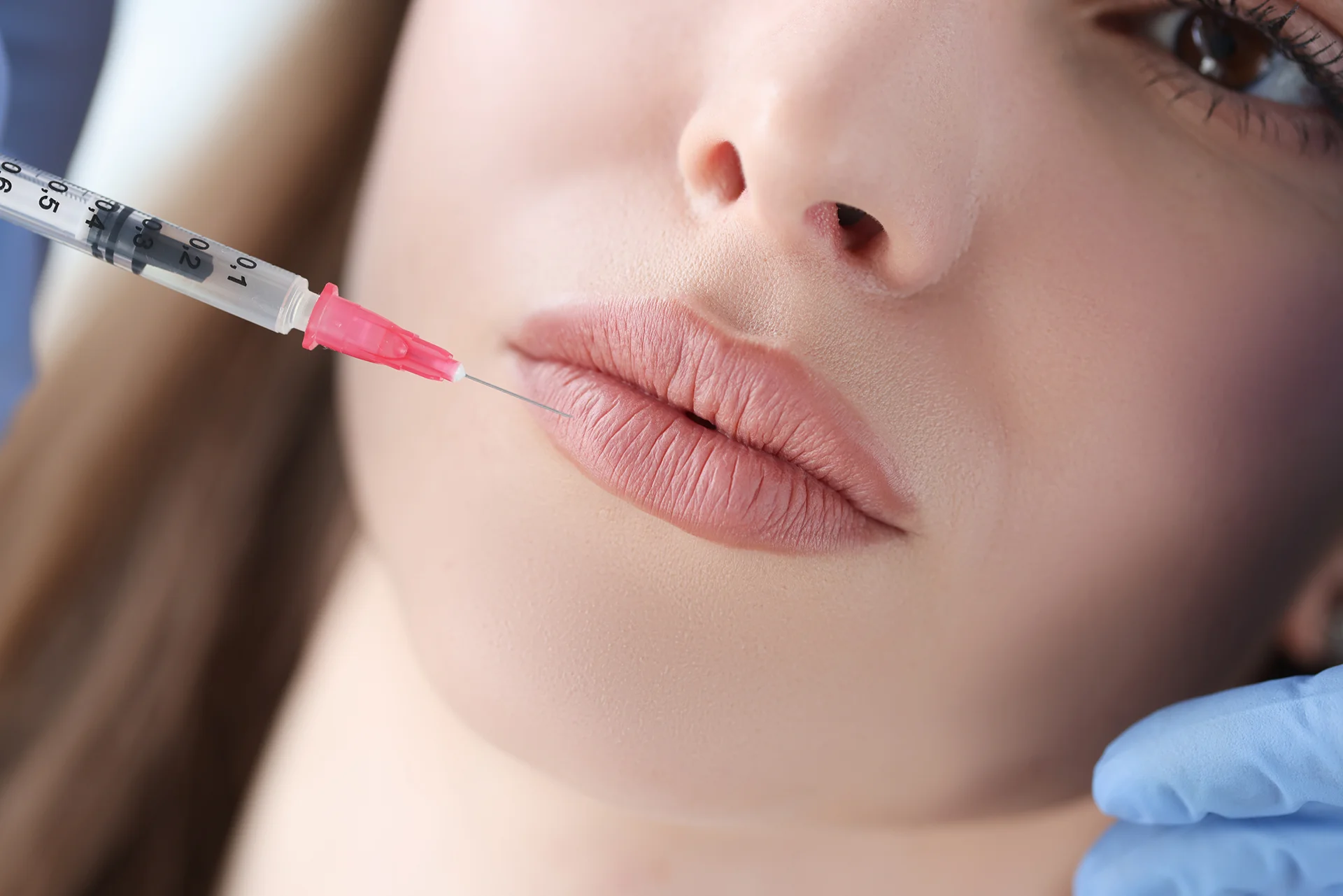
Comparison: Traditional vs. Russian
Tissue Anatomy & Injection Depth
Lip skin thickness varies significantly across different regions, with the thinnest part at the vermilion border measuring just 0.4mm. Before injecting fillers, practitioners must understand the underlying layered anatomy: the epidermis, dermis, superficial orbicularis oris muscle, deep muscle layer, and the innermost mucosal layer. The traditional technique typically operates at a depth of 3.0mm to 5.0mm. Practitioners use a 25G or 27G , entering laterally from the oral commissure, with the tip navigating through the submucosal layer or the deep orbicularis oris. This area offers ample space, allowing for a single injection volume of 0.1ml to 0.2ml. At this depth, the hyaluronic acid is laid down in linear threads, utilizing the material’s hydrophilic properties to forcefully expand the tissue spaces. This approach increases visual volume from a profile view, causing the upper lip to project outward by approximately 3mm.
- Injection depth: 3.0mm – 5.0mm
- selection: 25G/27G
- Entry angle: 15-degree oblique insertion
- Dose per point: Approximately 0.15ml
- Target plane: Submucosal space
- Aesthetic outcome: Lateral fullness increased by 30%
The superior labial artery is typically located about 3mm to 4mm submucosally, running roughly parallel to the ‘s trajectory in the traditional technique. While blunt reduce the risk of directly puncturing blood vessels, the accumulation of high filler volumes can generate a localized pressure of about 0.6kg/cm², which may compress distal microcirculation. In contrast, the Russian Lip Technique operates at a very superficial depth, strictly confined to 1.0mm to 1.2mm. This requires the use of a 30G or 32G short sharp . The is inserted perpendicularly along the vermilion border, with the tip resting precisely at the junction between the deep dermis and the superficial muscle layer. The tissue at this plane is highly dense, offering no surplus volume space. The filler is injected in micro-droplets of 0.01ml, creating numerous tiny physical anchor points. The vertical tension generated by these anchors “suspends” or lifts the lip tissue upward rather than pushing it outward.
- Injection depth: 1.0mm – 1.2mm
- selection: 30G/32G sharp
- Entry angle: 80-degree to 90-degree perpendicular
- Dose per point: 0.01ml – 0.02ml
- Injection points: 40 – 60 per lip
- Lifting effect: Vertical height increased by 2mm – 4mm
Extremely high-frequency puncturing (over 25 times per side of the lip) triggers significant inflammatory edema. Within 24 hours post-procedure, local tissue histamine levels spike rapidly. As a result, the immediate postoperative swelling associated with the Russian technique is roughly 45% greater than that of the traditional method. Because the injection plane is so superficial, if the filler particle diameter exceeds 300 microns, light will scatter as it passes through the thin epidermis (about 0.5mm). This is known as the Tyndall effect, which casts a bluish-gray hue at a wavelength of around 450nm over the lips, visually resembling a bruise. To mitigate this risk, the Russian Lip Technique mandates the use of small-to-medium particle hyaluronic acid with extremely high cohesivity. The elastic modulus (G’) of this material typically ranges between 250 Pa and 300 Pa, providing sufficient vertical support without forming palpable lumps beneath the superficial skin.
- Tyndall effect risk: Surges when depth is under 0.8mm
- Tissue metabolism: Rich superficial blood supply accelerates degradation by 15%
- Pain index: Dense peripheral nerve endings double the pain sensation (2x higher)
- Recovery period: Tissue repair requires 7 – 10 days
- Technical margin of error: A depth deviation of more than 0.3mm can lead to aesthetic failure
Philtrum length serves as a quantifiable metric distinguishing the two techniques. The ideal philtrum length for adult women falls between 12mm and 15mm. The traditional method increases lip projection, causing the philtrum to bow in three-dimensional space, though its actual length remains unchanged. By establishing vertical support at the Cupid’s bow, the Russian Lip Technique physically elevates the upper vermilion border. Clinical measurements show that this maneuver visually shortens the philtrum by 1.5mm to 2.5mm, yielding a more youthful facial proportion. A key anatomical blind spot of the lips is the inflection point of the Glogau arch. Traditional filling often blurs and rounds out this turning point, resulting in what is commonly known as “sausage lips.” The Russian technique, however, concentrates passes at this inflection point, maintaining a sharp Cupid’s bow angle of 100 to 120 degrees. If the patient has previously received deep fillers, the residual material alters tissue compliance. Performing the Russian technique directly when residual filler exceeds 0.5ml will cause deep pressure to force the superficial micro-droplets to evert toward the mucosal side. This scenario requires pre-treating with 150U of hyaluronidase to dissolve the old residue. For patients over the age of 40, atrophy of the orbicularis oris muscle causes the subdermal space to become lax. In such cases, relying solely on a superficial 1.2mm injection may fail to achieve the desired vertical tension. Given these anatomical conditions, it is often necessary to first establish deep volumetric support at 4mm before executing superficial detailing. Differences in post-procedure tactile sensation also stem from injection depth. With the traditional method, the filler is enveloped by a thick muscle layer, feeling extremely soft 2 weeks post-procedure. In the Russian technique, the filler is distributed within the dense dermis, resulting in an initially firmer texture akin to natural tissue tightness; this condition typically lasts for about 21 days. According to vascular distribution patterns, the branches of the superior labial artery become shallower near the Cupid’s bow, rising to a depth of about 2mm. Although the vertical trajectory of the Russian technique avoids the deep main trunk, localized lateral pressure from micro-droplet injections can still compromise capillary perfusion if it exceeds 30 mmHg.
Instrument Specifications & Dosage Density
Commonly used 25G or 27G range in length from 38mm to 50mm. This elongated tool only requires a tiny 0.5mm entry hole at the oral commissure to glide through the tissue, covering a path of approximately 25mm across half the lip in a single pass. The internal diameter of a blunt is about 0.3mm, making it suitable for laying medium-to-high viscosity hyaluronic acid in linear strands at a tissue depth of 3mm to 5mm. This broad distribution technique utilizes about 0.1ml to 0.2ml per pass, adding approximately 4mm of outward projection to the side profile.
- Instrument: 25G/27G (38-50mm length)
- Entry frequency: 1-2 passes per side
- Dose per pass: 0.1ml – 0.2ml
- Blood loss: Generally under 0.5ml for the entire procedure
- Duration: 10 to 15 minutes
- Volumetric feel: Profile projection increased by roughly 40%
The Russian Lip Technique, instead, employs an ultra-fine 32G sharp with an outer diameter of merely 0.23mm. This exceedingly short is inserted perpendicularly into the skin, stopping precisely at a depth of 1.0mm to 1.2mm. Because tissue pressure at this superficial depth is substantial, extreme injection precision is paramount. The dose per injection is compressed down to a mere 0.01ml, meaning a single 1ml of filler is meticulously divided into 80 to 100 micro-actions.
| Specification / Parameter | Traditional Method | Russian Puncture Technique |
|---|---|---|
| Gauge | 25G/27G | 30G/32G sharp |
| Dose per Point | 0.15ml | 0.0125ml |
| Puncture Points | 2 – 4 | 50 – 80 |
| Injection Depth | 3.0mm – 4.5mm | 1.0mm – 1.2mm |
| Tip Status | Blunt, vascular-safe | Extremely sharp, requires frequent changing |
| Operating Pressure | 5.5 Newtons | 18.5 Newtons |
Because a sharp develops micron-level dulling and edge rolling after penetrating the skin about 15 times, maintaining a smooth puncture and minimizing tissue tearing typically requires consuming 4 to 5 brand-new per session. Each is tasked with the precise delivery of about 0.2ml of product. This high-density micro-droplet distribution allows the hyaluronic acid to form micro-spheres roughly 1mm in diameter within the dermal layer. As these spheres press against one another, they generate approximately 0.8kg/cm² of physical tension, forcing the lip tissue to evert upward and elevating the upper lip’s visual height by over 25%. The high frequency of vertical punctures causes a surge in local histamine release, typically reaching levels 3 times higher than those seen with the method. Midway through the procedure, localized skin temperature over the lips will rise by roughly 1.5°C. This is the physiological trigger for acute postoperative swelling, which can expand to a volume 1.5 times that of the injected filler.
- wear: Replaced every 15-20 punctures
- Inflammatory response: Histamine release surges by 300%
- Local temperature rise: 1.2°C – 1.8°C
- Micro-droplet diameter: Controlled at 0.8mm – 1.2mm
- Pillar tension: Approximately 0.85kg/cm²
- Postoperative swelling: Lasts for 48 – 72 hours
Filler cohesivity data is critical in the Russian Lip Technique, requiring a G’ value maintained around 350 Pa. A value too low will cause the micro-droplets to merge within 48 hours, losing their vertical lifting force. A value too high will result in a hard, lumpy sensation in the 1mm superficial layer, potentially leading to a bluish-gray color shift. When injecting into the M-shaped Cupid’s bow area, the horizontal spacing between each point must be strictly maintained at 1.5mm. If the deviation exceeds 0.5mm, the initially sharp Cupid’s bow will appear asymmetrical. This rigorous demand for precise spatial distribution often extends the procedure time to over 45 minutes.
Recovery Period & Risk Parameters
The lips are densely packed with tiny blood vessels. Deep injection using a 25G causes minimal tissue trauma, resulting in less than 0.5ml of fluid exudation. Following this procedure, lip swelling within the first 24 hours rarely exceeds 15% of the original size.
Applying an ice pack for 15 minutes can reduce tissue pressure by 20 mmHg, allowing patients to return to baseline normalcy within 3 to 5 days.
Switching to the dense puncture pattern of a sharp completely disrupts the body’s natural histamine release rhythm. For every 10 punctures through the epidermis, local inflammatory mediators double. Subjecting half a lip to over 30 vertical punctures causes microvessels to leak massive amounts of fluid within just 1 hour. As edema floods beneath the ultra-thin epidermis, the swelling volume at 48 hours post-procedure can inflate to 1.5 to 2 times the injected product amount. For a patient who just received 1.0ml of hyaluronic acid, her upper lip thickness might surge from 8mm to 14mm by the next day.
- bruising rate: Below 8%, localized strictly to a 2mm radius around the entry point.
- Sharp bruising rate: Spikes to 35% – 45%, scattering speckled bruising across the lips.
- Fading time: Superficial micro-clots take 7 to 10 days for the body to metabolize.
- Topical intervention: Applying a 20% Arnica gel can accelerate absorption.
The main trunk of the superior labial artery is hidden near the inner mucosa at a depth of about 3.5mm. A navigating at a 4.0mm depth has a rounded tip; if it encounters a vessel wall, there is an 80% chance it will simply glide past without puncturing it.
In extremely rare cases where 0.2ml of filler is injected into the 1.5mm diameter main artery, distal tissues will blanch and become ischemic within 3 seconds.
While sharp operate superficially and avoid major arteries, they constantly compress peripheral microvessels. By anchoring in the highly superficial 1.2mm layer and depositing only 0.01ml per point, the cumulative local pressure from these dense micro-droplets can exceed 40 mmHg. When external pressure surpasses the normal 30 mmHg capillary perfusion pressure, blood flow stalls. Practitioners will press the skin to check capillary refill time after every 5 punctures; if it takes more than 3 seconds for color to return, the tissue pressure is too high. Talking and eating cause the lip muscles to contract tens of thousands of times a day. Deeply placed filler boluses are constantly squeezed by this muscular action, presenting an approximately 15% annual probability of migrating toward the path of least resistance—the nasolabial folds. Migrated filler will cause the white skin above the upper lip to bulge abnormally by 2mm to 3mm. Dissolving these deep, rogue deposits requires injecting 150U to 200U of hyaluronidase, followed by a 14-day wait for tissue recovery.
Superficial micro-droplets are tightly encapsulated by the dense dermal collagen network, testing at a migration probability of less than 3%.
Injecting too superficially makes it extremely easy for light to scatter. When a hyaluronic acid filler with an 8% cross-linking rate is placed at a subdermal depth of less than 0.8mm, the translucent gel will reflect short-wavelength blue light. Under lighting, your lip borders will emit a bluish-gray shadow at a wavelength of roughly 450nm. Erasing this odd tint requires injecting a tiny amount of saline 0.5mm beneath the original puncture site to dilute the gel.
- Nodule risk: Roughly 2% for deep boluses, but spikes to 12% when superficial micro-droplets clump together.
- Dissolving difficulty: Deep threads dissolve easily, while superficial scattered points require hunting down individually with a 30G.
- Softening timeline: Deep fillers soften in 5 days, whereas the superficial tight sensation persists for 21 days.
- Touch-up interval: Patients must wait a full 28 days after the initial procedure for tissues to properly heal and integrate.
Cellular turnover for the inner lip mucosa takes about 28 days. Rushing to add volume before proper healing will tear the regenerating fibrous network. Subjecting the same tissue to dense sharp-punctures more than twice within 30 days will form stubborn, permanent nodules that cannot be dissolved. If the lip epidermis is chronically thinner than 0.4mm, the dense cluster of punctures can easily awaken the herpes simplex virus. Clinical records clearly show that in patients with a history of cold sores, enduring over 60 punctures drives the recurrence rate up to 25%.
Taking a 400mg antiviral pill 48 hours prior to the procedure can suppress the risk of a herpes outbreak to under 5%.