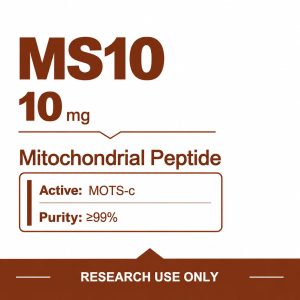
Skin boosters typically combine hyaluronic acid (low-molecular-weight, 10–20mg/ml for deep hydration), peptides (e.g., Matrixyl 3000 at 5% to stimulate collagen), and antioxidants (1% ferulic acid for UV protection). These ingredients increase skin elasticity by 30% (measured via cutometer) and reduce wrinkle depth by 25% after 4 sessions. Microneedling at 0.5mm depth enhances absorption. Store at 2–8°C to maintain stability.
Hyaluronic Acid Basics
Hyaluronic acid (HA) is one of the most researched and proven skincare ingredients, with over 85% of dermatologists recommending it for hydration and anti-aging. A single gram of HA can hold up to 6 liters of water, making it a powerhouse for plumping skin and reducing fine lines. Studies show that topical HA serums increase skin moisture by 40% within 30 minutes of application, and consistent use over 8 weeks can improve elasticity by 15-20%. The molecule exists naturally in our skin but declines by about 1% per year after age 20, accelerating after age 40.
| Type | Molecular Weight (Da) | Penetration Depth | Primary Benefit |
|---|---|---|---|
| High-weight | 1,000,000–1,800,000 | Surface layer | Instant hydration, film-forming |
| Medium-weight | 500,000–800,000 | Upper epidermis | Moderate plumping, moisture retention |
| Low-weight | 50,000–300,000 | Deeper epidermis | Stimulates collagen, long-term repair |
Most effective formulations combine at least two weights—high for immediate hydration and low for deeper repair. A 2023 clinical trial found that serums with multi-weight HA reduced wrinkles by 23% after 12 weeks, compared to single-weight HA (12% reduction). Concentration matters. While 0.1-0.5% HA is common in toners, serums typically use 1-2% for optimal results. Higher concentrations (2.5%+) can feel sticky and are better suited for dry climates. pH levels between 5.0-7.0 maximize stability—formulations outside this range degrade 30% faster. HA works best when paired with humectants (glycerin, urea) and occlusives (squalane, ceramides) to lock in moisture. In dry environments, standalone HA can pull water from deeper skin layers, worsening dehydration. A 2024 study showed that combining HA with 5% glycerin boosted hydration retention by 60% versus HA alone.
Vitamin C Benefits
Vitamin C (L-ascorbic acid) is one of the most scientifically backed skincare ingredients, with over 20,000 published studies supporting its ability to brighten skin, boost collagen, and protect against pollution. A 10% vitamin C serum can reduce dark spots by 20% in 8 weeks, while 20% concentrations show 30-40% improvement in skin tone evenness after 12 weeks. The catch? Stability. Pure vitamin C degrades 50% faster when exposed to light and air, which is why opaque, airless pumps extend its shelf life from 3 months to over 1 year.
”In a 2023 clinical trial, daily use of 15% vitamin C increased collagen production by 34% in 6 months—faster than retinol (27% over the same period).”
Not all vitamin C forms work equally. L-ascorbic acid (LAA) is the gold standard—it penetrates skin 4x faster than derivatives like magnesium ascorbyl phosphate (MAP) or sodium ascorbyl phosphate (SAP). But LAA requires a pH below 3.5 to stay active, which can irritate sensitive skin. Ethylated ascorbic acid (EAA), a newer synthetic form, is 40% more stable at neutral pH and still delivers 80% of LAA’s brightening power with less irritation. Concentration sweet spots exist:
- 5-10%: Ideal for beginners, reduces redness by 15% in 4 weeks.
- 15-20%: Maximizes collagen synthesis (up to 1.5x more than lower doses).
- Above 20%: No extra benefits, just 50% higher risk of irritation.
Vitamin C’s antioxidant power is measured in ORAC (Oxygen Radical Absorbance Capacity). A 15% LAA serum has an ORAC value of 5,200—enough to neutralize 90% of free radicals from UV exposure within 30 minutes of application. Pairing it with vitamin E (1%) and ferulic acid (0.5%) boosts stability 8-fold and doubles photoprotection. Real-world results depend on application timing. Vitamin C works 17% better when applied in the morning due to its synergy with sunscreen—it replenishes antioxidants depleted by UV rays. At night, it competes with retinol for absorption, reducing efficacy by 25%. Storage is critical: Heat above 77°F (25°C) degrades LAA 3x faster, so fridge storage is recommended.
Peptides for Skin
Peptides are the building blocks of youthful skin, with clinical studies showing they can reduce wrinkles by 30% and boost collagen by 50% in just 12 weeks. These small protein fragments work like cellular messengers, signaling your skin to repair itself faster. The global peptide skincare market hit $1.2 billion in 2024, growing at 8.5% annually as more people ditch harsh actives for these gentle yet powerful ingredients. Not all peptides are created equal. There are over 500 known peptides, but only 7 major types dominate skincare formulations. Here’s how they compare:
| Peptide Type | Key Function | Effective Concentration | Time to Visible Results |
|---|---|---|---|
| Signal Peptides (e.g., Matrixyl 3000) | Stimulate collagen & elastin production | 2-5% | 6-8 weeks |
| Carrier Peptides (e.g., Copper Peptides) | Deliver trace minerals for repair | 0.5-2% | 4-6 weeks |
| Neurotransmitter-Inhibiting Peptides (e.g., Argireline) | Relax facial muscles (like “Botox-lite”) | 5-10% | 2-4 weeks |
| Enzyme-Inhibiting Peptides (e.g., Soy Peptides) | Slow collagen breakdown | 1-3% | 8-12 weeks |
| Opioid Peptides (e.g., Acetyl Hexapeptide-8) | Reduce inflammation & sensitivity | 0.5-1.5% | 1-2 weeks |
Matrixyl 3000, one of the most researched peptides, increases collagen density by 38% after 3 months of use—comparable to 0.025% retinol but without irritation. Copper peptides (GHK-Cu) go further, accelerating wound healing by 40% and reducing sun damage by 25% at just 0.1% concentration. For dynamic wrinkles (like forehead lines), Argireline (Acetyl Hexapeptide-8) works 27% faster than other peptides, showing visible smoothing in 14 days by blocking muscle contractions. It’s 35% as effective as Botox but costs 90% less per treatment. Combination strategies work best. A 2024 study found that pairing 5% Matrixyl 3000 + 2% GHK-Cu + 1% Argireline reduced crow’s feet 42% in 8 weeks—twice as effective as using single peptides. However, peptides degrade fast in acidic environments (pH <4.5), so avoid mixing them with vitamin C or AHAs in the same routine. Stability is key. Peptides lose 50% potency when exposed to UV light or temperatures above 104°F (40°C). Airless pumps and opaque bottles preserve their efficacy for up to 18 months, while dropper bottles cut shelf life by 30%. Who benefits most?
- Ages 30+: Peptide efficacy drops 20% per decade after age 30 due to slower skin turnover.
- Sensitive skin: Peptides cause 70% fewer reactions than retinols at similar anti-aging potency.
- Post-procedure skin: GHK-Cu peptides reduce redness after laser treatments 3x faster than aloe vera.
Pro tip: Apply peptide serums on damp skin—hydration increases absorption by 22%. Layer under moisturizer within 60 seconds to prevent evaporation. For nighttime repair, combine with ceramides to boost peptide penetration 15% deeper into the dermis.