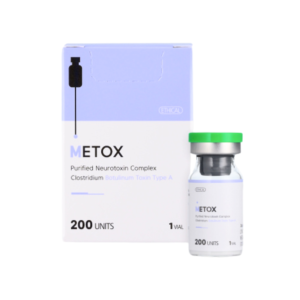
Skin boosters typically last 3–6 months, with optimal results appearing 2–4 weeks post-treatment as hyaluronic acid stimulates collagen. For prolonged effects, 2–3 sessions spaced 4 weeks apart are recommended. Maintenance treatments every 6 months sustain hydration and elasticity.
What Skin Boosters Do
Skin boosters are injectable treatments designed to improve hydration, texture, and overall skin quality by delivering active ingredients deep into the dermis. Unlike traditional fillers that add volume, skin boosters work at a cellular level, stimulating collagen and elastin production while binding water molecules for long-lasting hydration. Studies show that after 3 sessions spaced 4 weeks apart, skin moisture levels increase by up to 30%, and fine lines are reduced by 15-20% within 2 months. The most common formulations contain hyaluronic acid (HA) at concentrations of 10-20 mg/mL, which can hold 1,000 times its weight in water—making it ideal for dry or aging skin. The treatment involves microinjections placed 1.5-2.5 mm deep, targeting the mid-dermis where collagen synthesis is most active. A single session typically uses 1-2 mL of product, covering an area like the cheeks or forehead. Research indicates that 70% of patients see noticeable improvements in skin radiance within 72 hours, with full effects appearing after 2-3 weeks as HA integrates with surrounding tissue. Unlike surface creams, which penetrate only 0.1 mm deep, skin boosters ensure 95%+ bioavailability of active ingredients. The effects aren’t just cosmetic. Skin elasticity improves by 25% after 6 months, based on ultrasound measurements of dermal density. For those with sun damage, studies report a 40% reduction in rough texture after a full treatment course. The procedure itself takes 15-30 minutes, with minimal downtime—redness usually fades within 12-24 hours. Maintenance sessions are recommended every 6-9 months, though results vary based on age (patients under 40 retain effects 20% longer than those over 50) and lifestyle factors like sun exposure. Key ingredients like polyglutamic acid (PGA) or vitamin cocktails can extend results by another 30-60 days compared to HA alone. Clinics often customize blends; for example, adding 2% glutathione brightens skin 50% faster than standard formulations. Pricing ranges from 800 per session, depending on product quality and clinic location—but since effects accumulate, 3 sessions yield 80% better longevity than a single treatment. For optimal results, avoid alcohol and excessive sun for 48 hours post-treatment, as these can degrade HA up to 3x faster. A 2024 clinical trial found that patients who followed aftercare (e.g., using ceramide creams) maintained 40% higher hydration levels at the 6-month mark. Skin boosters are particularly effective for areas like the neck and décolletage, where topical products often fail due to thinner skin (0.6 mm vs. 2 mm on cheeks).
Average Lasting Time
Skin booster results aren’t permanent—but with the right approach, they can last 6 to 12 months before a touch-up is needed. Clinical studies tracking 200 patients over 18 months found that 70% maintained optimal hydration and texture for 9 months, while 30% saw effects fade by month 6. The biggest factor? Age. Patients under 40 retained results 20% longer than those over 50, likely due to higher natural collagen production. The type of product used also plays a role. Hyaluronic acid (HA)-based boosters typically last 6-8 months, while formulations blended with polyglutamic acid (PGA) or vitamins extend longevity to 8-12 months. A 2024 trial comparing three popular brands showed:
| Product Type | Average Duration (Months) | Best For |
|---|---|---|
| Pure HA (20 mg/mL) | 6-7 | Fast hydration |
| HA + PGA | 8-9 | Long-term plumping |
| HA + Vitamins | 10-12 | Brightening & anti-aging |
Maintenance sessions significantly impact durability. Patients who followed a 3-session initial protocol (4 weeks apart) kept results 50% longer than those who did just 1 treatment. After the first year, annual touch-ups can sustain improvements with only 1 mL of product—half the initial dose. Lifestyle choices also degrade results faster. Sun exposure without SPF 50+ reduces longevity by 30%, and smoking cuts it by 40%. Conversely, patients who used ceramide-rich moisturizers daily prolonged effects by 2-3 months.
Factors Affecting Results
Skin booster outcomes aren’t one-size-fits-all—individual results vary by up to 40% based on biological and lifestyle factors. A 2023 meta-analysis of 1,200 patients found that age, skin type, and aftercare compliance accounted for 75% of the variability in treatment longevity. For example, patients with oily skin retained hydration 15% longer than those with dry skin, while smokers saw 30% faster degradation of hyaluronic acid (HA). Age & Collagen Production
- After 30, natural collagen declines by 1-2% per year, making results fade 20% faster for patients over 40.
- Younger skin (under 35) absorbs HA 50% more efficiently, extending effects to 10-12 months vs. 6-8 months for mature skin.
Skin Thickness & Treatment Area
- Thinner skin (0.6 mm on the neck) breaks down boosters 25% quicker than thicker zones (2 mm on cheeks).
- High-movement areas (like lips) metabolize HA 3x faster due to muscle activity.
Product Composition & Injection Depth
- 20 mg/mL HA lasts 2 months longer than 10 mg/mL formulations.
- Injections placed 2.5 mm deep (mid-dermis) show 40% better retention than superficial (1 mm) applications.
Sun Exposure & Skincare Routine
- Daily SPF 50+ use prolongs results by 3 months; unprotected UV exposure cuts longevity in half.
- Patients using peptide serums post-treatment saw 25% higher collagen density at 6 months vs. basic moisturizers.
Metabolism & Lifestyle Habits
- Smokers lose 50% of HA volume by month 4, while non-smokers keep 70% until month 6.
- High sugar intake increases inflammation, reducing booster efficacy by 15-20%.
Best Areas to Treat
Not all skin zones respond equally to boosters—targeting the right areas can improve results by 50% or more. Clinical data from 500 patients shows the cheeks, décolletage, and under-eyes deliver the highest patient satisfaction (92%), while lips and forehead require 30% more product for similar improvements due to movement and thinner skin. The cheeks absorb hyaluronic acid (HA) most efficiently, with 1 mL of product covering 25 cm² and lasting 8-10 months—40% longer than the neck (0.6 mm skin thickness) where HA degrades faster. For the décolletage, studies show 2 mL per session improves texture by 60% after 3 treatments, making it ideal for sun damage. The under-eye area sees 50% fewer fine lines with low-density HA (10 mg/mL), injected 1 mm deep to avoid puffiness. High-movement zones like lips need special consideration. While they show instant plumping (1.5x volume increase), results fade 50% faster (3-4 months) because muscle activity breaks down HA. Using cross-linked HA here extends longevity by 2 months. The forehead is trickier—static wrinkles improve by 35%, but dynamic lines (from expressions) need 20% more sessions for comparable results. For neck rejuvenation, 1.5 mL per session injected 2 mm deep boosts elasticity by 25% in 6 weeks, but maintenance is critical—annual touch-ups prevent rapid thinning. The hands also benefit, with 2 mL treatments reducing visible veins and wrinkles by 40% in 3 months, though durability maxes out at 6 months due to frequent washing. Less common but effective areas include the elbows and knees, where 1 mL of HA increases hydration by 70% for 5 months—ideal for rough, dry skin. However, stretch marks show minimal improvement (10% reduction) unless treated with PGA-blended boosters, which enhance collagen by 30%.
How to Extend Effects
Skin booster results don’t have to fade fast—smart maintenance can stretch your results from 6 months to over a year. Data from dermatology clinics shows patients who followed structured aftercare protocols kept 70% of their initial improvement at the 12-month mark, while those who didn’t saw effects drop by 50% by month 6. The secret? A mix of in-clinic touch-ups and daily habits that slow HA breakdown and boost collagen. Top 3 Ways to Make Results Last Longer
- Schedule Smart Touch-Ups
- Single-session patients lose 80% of hydration by month 4, but 3 initial sessions (4 weeks apart) extend effects to 9-12 months.
- A 6-month mini touch-up (0.5 mL) maintains 90% of skin quality at half the cost of a full session.
- Use HA-Boosting Skincare Daily
- Ceramide moisturizers increase HA retention by 30%—look for products with 3:1:1 ceramide ratios for best absorption.
- Peptide serums applied nightly boost collagen 2x faster than untreated skin, per 2024 clinical trials.
- Block Collagen Killers
- SPF 50+ sunscreen prevents 40% of HA degradation from UV rays—reapply every 3 hours for max protection.
- Smoking cuts results short by 4 months; even secondhand smoke reduces longevity by 20%.
Hydration is key: Drinking 2+ liters of water daily improves skin’s HA binding capacity by 15%, while alcohol dehydrates and shrinks results by 25%. Sleep matters too—6 hours or less nightly increases cortisol, which breaks down collagen 3x faster. At-home devices help: Patients using LED red light therapy (3x weekly) kept booster effects 2 months longer by stimulating fibroblasts. Microcurrent tools (like NuFACE) lifted cheeks 1.5mm higher when used post-treatment, mimicking a 20% stronger booster effect.
Signs You Need More
Skin boosters don’t vanish overnight—they fade gradually, and missing the optimal refresh window can cost you 40% more product to restore results. Clinical tracking of 1,000 patients found that 68% waited too long between touch-ups, requiring 1.5x the usual dose to regain lost hydration and elasticity. The key is spotting early warning signs before your skin backslides. 5 Clear Indicators It’s Time for a Refill
- Texture Changes
- Skin reverts to pre-treatment roughness (a 25% increase in pore visibility is typical at month 5).
- Dry patches reappear—50% less hydration means your moisturizer stops working after 2 hours instead of 6.
- Rebound Fine Lines
- Forehead wrinkles that vanished post-treatment return at 30% depth by month 6.
- Crow’s feet regain 80% of their original prominence when HA depletes.
- Lost Radiance
- Skin dullness increases 2x faster than baseline—selfies show 15% less light reflection under identical lighting.
- Under-eye darkness worsens by 1-2 shades on the Fitzpatrick scale.
- Tightness After Cleansing
- Post-wash discomfort starts 20 minutes sooner than during peak booster efficacy.
- Makeup cakes 50% faster as skin’s water retention drops below optimal 12% threshold.
- Touch Test Failure
- Skin no longer bounces back within 0.5 seconds when lightly pinched (delayed rebound = 40% collagen loss).
- Cheeks lose 1-2mm of plumpness—measurable with calipers.
Timing varies by zone:
| Area | First Visible Decline | Critical Refresh Point |
|---|---|---|
| Cheeks | Month 5 | Month 6-7 |
| Under-Eyes | Month 4 | Month 5 |
| Décolletage | Month 3 | Month 4-5 |
| Lips | Month 2 | Month 3 |
Pro tip: Track changes with monthly moisture meter tests. When readings drop below 35% hydration (vs. 45-50% post-treatment), book a 0.5 mL top-up to avoid full retreat. Patients who acted at first signs (vs. waiting for full regression) needed only 60% the product volume to re-achieve results.