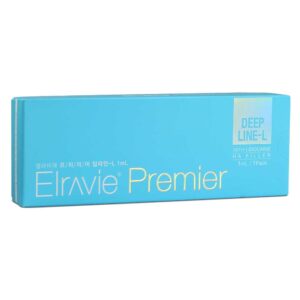
Dermal fillers are injectable gels, primarily made of hyaluronic acid, used to restore volume, smooth wrinkles, and enhance facial contours. Common applications include plumping lips, filling nasolabial folds, and augmenting cheekbones. Results are immediate and can last from 6 months up to 2 years, depending on the product and injection site.
Smoothing Facial Wrinkles
Dermal fillers are a popular non-surgical solution specifically designed to address these signs of aging by replenishing lost volume. In fact, over 3.4 million filler procedures are performed annually for wrinkle correction alone, making it one of the most sought-after aesthetic treatments. They are particularly effective for the deep lines that appear around the nose and mouth, which often don’t respond to topical creams alone. The most common and effective type of filler for this purpose is made from Hyaluronic Acid (HA). This substance is a sugar molecule that already exists naturally in your skin, holding onto water to keep tissues plump and hydrated. A single 1ml of HA filler can instantly smooth out nasolabial folds (the lines running from your nose to your mouth) for a period of 9 to 12 months.
The procedure itself is remarkably quick, typically taking only about 30 minutes to complete with minimal downtime. Most patients report seeing the final results within 3 to 5 days as any minor swelling subsides.
The key to its success is the filler’s ability to integrate with your skin’s tissue. It doesn’t just sit under the wrinkle; it attracts and binds to water molecules, providing a natural-looking volume that moves with your face. The concentration of HA and the thickness (viscosity) of the gel can be tailored to the specific wrinkle’s depth and location. For example, a thicker gel is used for very deep folds, while a lighter formulation is chosen for finer lines. The effect is not permanent because the body gradually metabolizes the HA at a rate of approximately 0.1% per day, which is why the results last for about a year before a touch-up is needed. This makes it a flexible and low-commitment option for facial rejuvenation.
Plumping Thinning Lips
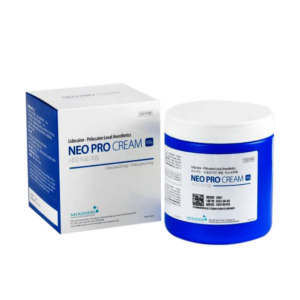
Thinning lips are a common sign of aging, with studies showing the upper lip can lose up to 40% of its volume by the age of 40. Dermal fillers offer a precise solution for restoring lost volume and enhancing lip shape. Over 2.5 million lip filler procedures are performed globally each year, making it one of the top three most requested non-surgical treatments. The goal is not just size, but to create a natural-looking, symmetrical structure that complements the entire face. Most practitioners use hyaluronic acid (HA) fillers specifically formulated for lips, which are softer and more flexible than those used for wrinkles. A typical treatment uses 0.5ml to 1ml of product per session, strategically placed to define the border and add volume. The procedure itself is fast, usually completed in under 30 minutes. A key step is the application of a topical numbing cream for 15-20 minutes to maximize comfort. The results are not instantaneous due to initial swelling. The final, settled appearance becomes visible after about 5 to 7 days. The longevity of lip fillers is generally 6 to 9 months, as the constant movement of the mouth accelerates the body’s natural metabolic breakdown of the HA gel at a rate of approximately 0.2% per day.
| Consideration | Detail & Data |
|---|---|
| Average Cost (US) | 1,200 per 1ml |
| Procedure Time | 25-45 minutes from prep to finish |
| Pain Level | Low; most rate it 3/10 due to numbing cream and product containing lidocaine |
| Recovery Time | Minimal; majority of swelling subsides in 24-48 hours, slight bruising possible for 3-5 days |
| Risk Factor | Low; potential for minor asymmetry or bruising occurs in less than 10% of cases |
It is critical to choose an experienced who understands the aesthetic proportions of the lips, such as the ideal ratio where the lower lip is 1.6 times fuller than the upper lip. They will assess your facial symmetry and recommend a volume that typically increases lip size by 15-25% for a first treatment, ensuring a result that is enhanced yet harmonious.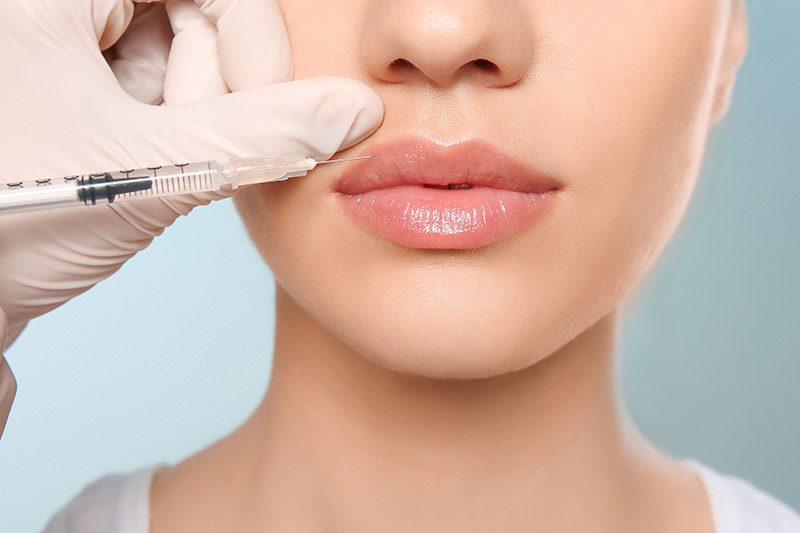
Restoring Lost Cheek Volume
Research using 3D facial scanning shows that individuals can lose up to 30% of their mid-face volume between the ages of 30 and 60. This descent leads to flattening of the cheeks, prominence of nasolabial folds, and the formation of jowls. Dermal fillers are precisely engineered to combat this by replatforming the cheek structure, providing a non-surgical lift that can reverse 5 to 10 years of volume depletion in a single 45-minute session. The technical approach is strategic and requires a high level of anatomical expertise. Practitioners use a thicker, more robust hyaluronic acid filler with a high G’ value (elastic modulus), meaning it has strong lifting capacity and structural support. The injection is performed at a deep supraperiosteal level, directly onto the bone, to safely recreate the foundational support that has been lost. A typical treatment may use 1ml to 2ml of product per cheek, meticulously placed in 0.1ml increments along key vectors. The primary targets are the anterior, middle, and lateral cheek compartments, with the goal of restoring the 50:50 ratio of anterior to lateral projection that characterizes a youthful face. The results are immediately visible, though the final outcome settles after 10 to 14 days as the product integrates with the tissue and any minor swelling resolves. The longevity of cheek filler is notably longer than in mobile areas like the lips, typically lasting 18 to 24 months. This extended duration, 1.8 to 2 times that of lip filler, is due to the relatively low metabolic activity and movement in the mid-face region, slowing the degradation rate to an estimated 0.05% per day. The effect is more than just adding volume; it is about repositioning tissue. By building a stable base on the cheekbone, the filler provides an upward lift that reduces the pull of gravity on the lower face. This can soften the appearance of nasolabial folds by approximately 40% and improve jawline definition without directly injecting those areas. The cost for this transformative procedure is higher due to the product volume and expertise required, typically ranging from 2,500 per. Choosing an who is skilled in advanced facial anatomy is critical, as the probability of achieving a natural, structural outcome increases significantly with a practitioner who performs over 50 of these procedures annually.
Softening Under-Eye Shadows
A clinical study measuring facial changes found that the skin under the eyes can thin by up to 40% by the age of 50, making the underlying blood vessels and muscle more visible and creating a dark, hollow appearance. Tear trough filler, a specialized type of dermal filler, is designed to address this specific concern by adding a precise layer of volume between the skin and the bone. It is a highly technical procedure, with over 1.2 million treatments performed annually, aimed at reducing the shadow effect that can make a person look consistently tired. This treatment requires extreme precision due to the delicate anatomy of the eye region. use a very soft, low-viscosity hyaluronic acid gel specifically engineered for this area to prevent lumps or visible bumps. The product is placed in the sub-orbicularis plane, a deep tissue layer above the bone, using a (a blunt-tipped ) 90% of the time to maximize safety and minimize bruising risk. The average volume needed is surprisingly small, typically ranging from 0.4ml to 0.8ml for both sides combined, injected in tiny 0.05ml increments. The results are gradual and natural-looking. While some effect is visible immediately, the final outcome is apparent after about 7 to 10 days as the product fully integrates and any minor swelling subsides. The longevity is generally 9 to 12 months, as the metabolic rate in this area is moderate. The success of this treatment hinges on correcting the depth of the shadow and blending it seamlessly with the upper cheek. A successful treatment can improve the perceived darkness under the eyes by an estimated 60-70%, not by bleaching the skin but by adding a physical barrier that reduces shadowing. Key considerations for under-eye filler include:
- Cost: The price typically ranges from 1,500 per. The cost is high relative to the volume used due to the advanced skill and time required, often taking 30-45 minutes for the procedure.
- Candidacy: This treatment is not for everyone. It is most effective for hollowness and dark shadows caused by volume loss. It is less effective for discoloration primarily caused by surface pigmentation or prominent blood vessels. A pinch test is used to assess skin thickness; patients with very thin skin have a higher probability of visible filler.
- Recovery & Risks: Bruising occurs in approximately 15-20% of patients and typically resolves within 5-7 days. Swelling is common for the first 48-72 hours and can be managed with cold compresses. The most significant risk, with an incidence rate of less than 1%, is irregularity or lumpiness, which can often be massaged or dissolved if necessary. Choosing an who performs a minimum of 20 of these procedures per month drastically reduces the risk of complications.
Reshaping the Nose and Chin
Non-surgical rhinoplasty and chin augmentation, collectively called a ”liquid facelift,” have seen a 75% increase in demand over the past 5 years, with over 450,000 global procedures in the last 12 months. This technique uses highly structured dermal fillers to add precise volume and contour, effectively camouflaging dorsal humps, lifting drooping nasal tips, and projecting weak chins. It’s a transformative 30-minute procedure that rebalances facial harmony without surgery, offering results that typically last 12 to 18 months, at about 20-30% of the cost of a surgical alternative. The approach is highly technical and requires a deep understanding of facial bone structure. use a high-G’ (high elastic modulus) hyaluronic acid filler with strong lifting capacity and resistance to deformation. The product must be deposited precisely onto the periosteum, the dense connective tissue layer covering the bone, to ensure stability and a natural feel. For the nose, an average of 0.5ml to 1.0ml is strategically placed along the bridge and tip. For the chin, 1.0ml to 2.0ml is common to achieve a forward projection of 2mm to 5mm, which also indirectly improves the appearance of the jawline and reduces jowling. The goal is to achieve specific aesthetic angles that define facial balance. For the chin, this often means bringing the profile forward to create an ideal labiomental angle of 110 to 130 degrees. For the nose, the focus is on creating a smoother nasofrontal angle and straightening the dorsal line. Results are visible immediately, though the final shape settles and softens over 7 to 10 days. Longevity is significant, often lasting up to 24 months in the chin due to the area’s low mobility, with the body metabolizing the product at a slow rate of approximately 0.04% per day. Critical factors for a successful outcome include: • Precision of Placement: The product must be in the deep supraperiosteal plane. Superficial injection increases the risk of visibility and unevenness. The procedure boasts a patient satisfaction rate exceeding 90% when performed by experts. • Realistic Limitations: Filler cannot reduce the size of a large nose; it can only disguise bumps or lift tips. It is ideal for candidates seeking subtle changes or those not ready for surgery. The treatment does not address functional issues like a deviated septum. • Risk Profile: The most significant risk, with an incidence of less than 0.1%, is vascular compromise. The nose is a high-risk zone due to its complex vascular network. This is why choosing a provider who performs hundreds of these procedures annually is non-negotiable. Minor bruising occurs in about 25% of patients but resolves within 5-7 days. • Cost Structure: The average cost ranges from 2,500 per treatment area. This cost is influenced by the practitioner’s expertise, the geographic location of the practice, and the specific type and quantity of filler used.
Smoothing Lines on the Hands
The hands are a primary indicator of biological age, often showing visible signs of volume loss a full 5-10 years before the face. Clinical studies using ultrasound imaging show the dorsal hand skin thins by over 30% and loses 40-50% of its subcutaneous fat by age 60, making veins and tendons prominent and creating a crepey texture. Dermal filler injections directly address this volume deficit, with over 200,000 procedures performed annually. By strategically replacing lost tissue, the treatment plumps the skin from within, effectively smoothing wrinkles and masking underlying structures for 9 to 12 months. The technique for hand rejuvenation is distinct and requires a specific product choice. Practitioners use a low-viscosity, highly cohesive hyaluronic acid filler designed to spread evenly across the large, flat surface area without creating lumps. The product is injected into the subdermal plane—a shallow layer above the tendons and veins but below the skin—using a 27-gauge or a micro-. A full treatment for both hands requires a significant volume, typically 2ml to 4ml, distributed across 20-30 injection points per hand. The entire process takes approximately 30 to 45 minutes. Results develop over 10 to 14 days as initial swelling subsides and the product integrates with the tissue, creating a natural, padded look. The filler works by binding water, increasing skin thickness by an average of 1.5mm to 2.5mm. This is sufficient to reduce the visibility of blue veins and tendons by approximately 60% and decrease the depth of primary wrinkles by 40-50%.
| Parameter | Specification & Data |
|---|---|
| Average Treatment Cost | 2,400 (covers 2-3 ) |
| Procedure Duration | 30-45 minutes from setup to completion |
| Pain Level (1-10 scale) | Rated 5/10 without anesthetic. 85% of practitioners use a topical numbing cream or a nerve block. |
| Primary Recovery Period | Initial swelling resolves in 72 hours. Bruising occurs in 40% of patients and lasts 7-10 days. |
| Complication Rate | Low. Lump formation occurs in <3% of cases and is often massagable. Asymmetry is the most common issue. |
Key technical and practical considerations for this procedure include: • Volume Requirement: The hands have a large surface area of approximately 800-1000 cm². Using less than 2ml of product often leads to suboptimal coverage and a higher probability of visible irregularities. Most patients require 2 to 3 for a clinically significant result. • Metabolic Rate & Longevity: The constant movement and higher metabolic activity in the hands accelerate filler breakdown. The product degrades at an estimated 0.18% per day, resulting in a typical longevity of 9-12 months, which is 25% shorter than filler placed in the cheeks. • Outcome Realism: The goal is subtle rejuvenation, not complete eradication of all signs of aging. A successful treatment yields a smoother skin surface and a softened appearance of anatomical structures, creating a more youthful contour that matches the rejuvenated face. • Practitioner Expertise: The technique requires injecting in a precise, shallow plane to avoid vessels and tendons. The margin of error is small. Selecting an who performs this procedure a minimum of 15 times per month drastically reduces the risk of complications and ensures a natural result.