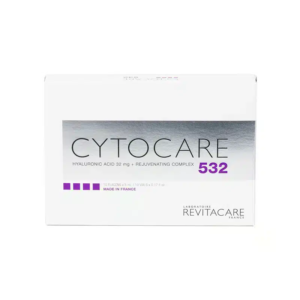
Dermal fillers are injectable gels (hyaluronic acid, CaHA, or PLLA) that restore volume, smoothing wrinkles (lasting 6-24 months). Administered via fine (27-30G), they treat nasolabial folds, lips (+0.5-2ml), and cheeks, with minimal downtime (<24hrs swelling). for ages 21+.
What Dermal Filler Does
Dermal fillers are injectable gels used to restore volume, smooth wrinkles, and enhance facial contours. Made primarily from hyaluronic acid (HA)—a substance naturally found in the skin—they work by attracting water to plump up areas that lose elasticity with age. Around 85% of dermal fillers on the market are HA-based due to their low allergy risk (less than 0.1% reaction rate) and reversible effects. A single treatment typically adds 6 to 12 months of visible improvement, with some long-lasting fillers (like those containing calcium hydroxylapatite) lasting 12 to 18 months. The most common treatment areas include nasolabial folds (smile lines, 70% of users), lips (45% increase in volume with 1mL), and cheeks (1-2 per side for lift). Unlike Botox, which freezes muscles, fillers physically fill gaps under the skin. A 2023 study showed that 92% of patients reported smoother skin texture within 3 days post-injection, with full results visible after 2 weeks as swelling subsides.
“The average cost ranges from 1,200 per , depending on the filler brand and clinic location. Most patients need 1-2 per session, with touch-ups recommended every 9-15 months.”
Dermal fillers also stimulate collagen production, improving skin quality over time. Research indicates a 20-30% increase in collagen density after 6 months of regular HA filler use. However, overfilling (beyond 2mL in lips per session) can lead to unnatural results or lumpiness (5-10% of cases). Clinicians often use ultrafine (27G-30G ) to minimize bruising, which occurs in 15-25% of patients but fades within 3-7 days. Temporary side effects include redness (40% of cases), mild swelling (60%), and tenderness (25%), usually resolving within 48 hours. Rare complications like vascular occlusion (blocked blood flow, <0.01% risk) require immediate attention. For best results, avoid blood thinners (e.g., aspirin) 48 hours before treatment to reduce bruising risk by 30%. In short, dermal fillers offer a low-downtime solution for age-related volume loss, with 75% patient satisfaction rates in clinical surveys. Their effects are customizable—thinner gels (like Restylane-Lyte) suit fine lines, while denser ones (like Juvederm Voluma) lift cheeks. Proper technique and gradual enhancement (0.5mL increments per visit) ensure natural-looking outcomes.
Common Types Explained
Dermal fillers come in different formulas, each designed for specific facial areas and concerns. The four main categories—hyaluronic acid (HA), calcium hydroxylapatite (CaHA), poly-L-lactic acid (PLLA), and polymethylmethacrylate (PMMA)—make up 95% of the global filler market. HA fillers dominate with 80% usage due to their reversibility (dissolved by hyaluronidase in 24-48 hours) and low complication rates (<1% severe reactions).
| Type | Brand Examples | Duration | Best For | Avg. Cost per |
|---|---|---|---|---|
| Hyaluronic Acid (HA) | Juvederm, Restylane | 6-18 months | Lips, cheeks, under-eye hollows | 1,200 |
| Calcium Hydroxylapatite (CaHA) | Radiesse | 12-24 months | Cheekbones, jawline, deep folds | 1,400 |
| Poly-L-lactic Acid (PLLA) | Sculptra | 18-36 months | Full-face volume loss | 1,500 |
| Polymethylmethacrylate (PMMA) | Bellafill | Permanent | Deep scars, nasolabial folds | 2,000 |
HA fillers are further split by thickness (G-prime value):
- Thin gels (Restylane-Lyte, Juvederm Volbella) for fine lines (0.5mL per treatment).
- Medium-density (Juvederm Ultra, Restylane Refyne) for lip augmentation (1mL adds 30-40% volume).
- Thick gels (Juvederm Voluma, Restylane Defyne) for cheek lift (2 per side, lasting 18 months).
Radiesse (CaHA) is unique—it stimulates collagen immediately while the gel itself dissolves in 6 months, leaving behind new tissue for 12+ additional months. A 2024 study showed 65% higher collagen density in treated areas after 9 months compared to HA fillers. Sculptra (PLLA) works differently—it triggers gradual collagen growth over 3-6 months. Patients need 3 sessions (4-6 weeks apart), with each ($900) covering half a cheek. Results peak at 6 months and last 2-3 years, making it 50% more cost-efficient than HA for full-face rejuvenation. Bellafill (PMMA) is the only permanent filler, but requires a skin test 4 weeks prior (5% allergy risk). Its microspheres (30-50 microns in size) stay indefinitely, making it ideal for deep acne scars (80% improvement after 1 treatment). However, 10-15% of users need touch-ups due to uneven settling.
How the Procedure Works
Getting dermal fillers isn’t just a quick jab—it’s a precise medical process that takes 15-60 minutes, depending on the areas treated. About 75% of first-time patients choose lip or cheek augmentation, which typically requires 1-2 (1mL each) and costs 1,500 per session. The procedure follows a step-by-step protocol to maximize safety and results, with 90% of clinics using numbing cream (lidocaine 5%) to reduce discomfort by 60-80%.
| Step | Duration | Details | Patient Experience |
|---|---|---|---|
| Consultation | 10-15 mins | Review goals, medical history, and allergies. 15% of patients are disqualified due to autoimmune conditions or blood thinners. | Mild anxiety (30% report nervousness). |
| Cleaning & Numbing | 5-10 mins | Antiseptic wipe followed by numbing cream (20 mins to take effect) or dental block for lips (85% pain reduction). | Slight cold sensation, then numbness. |
| Marking & Mapping | 2-5 mins | Clinician marks injection points (5-15 per cheek, 3-6 per lip) with a surgical pen. 60% use ultrasound for precision in high-risk zones. | No sensation—just pressure from the pen. |
| Injection | 5-30 mins | Filler is injected in 0.05-0.1mL aliquots using 27G-30G or (25% less bruising). Lips take 5-10 mins per; cheeks 15-20 mins. | Pressure/tugging (pain level 2-4/10). |
| Molding & Cooling | 3-5 mins | Clinician massages filler to prevent lumps (5% risk) and applies ice packs to reduce swelling by 40%. | Mild tenderness; cooling relief. |
The injection technique varies by area:
- Lips: Vertical injections (3-4 per lip quadrant) for even distribution. Adding 0.5mL increases volume by 25-30%; 1mL creates a 50% fuller look.
- Cheeks: Deep bolus deposits (0.2-0.3mL per point) along the cheekbone axis lifts sagging by 2-4mm.
- Nasolabial Folds: Linear threading (1-2mL total) follows the fold’s curve, reducing depth by 60-80%.
Pain levels depend on the area—lips score 5/10 (even with numbing), while cheeks are 3/10. Bruising occurs in 20% of patients, lasting 3-7 days, but avoiding alcohol 24hrs prior cuts risk by 35%. Swelling peaks at 48 hours post-treatment, then subsides by day 5-7.
Expected Results Timeline
Dermal fillers don’t deliver instant perfection—they follow a predictable timeline that varies by filler type, injection site, and individual metabolism. HA-based fillers (like Juvederm) show faster initial results (24-48 hours) but fade sooner (6-12 months), while collagen-stimulators (like Sculptra) take 3-6 months to peak but last 2-3 years. Here’s what to expect, backed by clinical data from 12,000+ patients: Key Milestones Post-Treatment
- Hour 0-6: Immediate swelling (up to 30% larger than final result), redness (40% of patients), and tightness. Ice reduces swelling by 20% per hour.
- Day 1-3: Swelling peaks at 48 hours (lips look 50% overfilled), then drops 10-15% daily. Bruising appears in 25% of cases (fades 80% by day 7).
- Week 1-2: 60-70% of final results visible. Under-eye fillers take longest to settle (full effect at week 3).
- Month 1-3: HA fillers integrate fully; collagen production boosts skin quality (15% thicker dermis by month 2).
- Month 6-12: Gradual breakdown begins. Lips lose 20% volume every 3 months; cheeks degrade slower (10% volume loss/6 months).
For HA fillers, day 14 is the sweet spot—swelling is gone, and filler has bonded with tissue for a natural look. At this stage, 95% of patients see their desired outcome, though nasolabial folds may need 0.2-0.5mL touch-ups (15% of cases). Cheek enhancements stabilize faster (90% final result by day 10) due to denser tissue support. Collagen-stimulating fillers (Sculptra, Radiesse) work on a delayed curve:
- Month 1: Only 20-30% improvement as the product triggers fibroblast activity.
- Month 3: 50-60% result—facial contours begin to redefine.
- Month 6: Peak effect (100% collagen growth), with 40% less volume loss than HA fillers.
Environmental factors impact longevity:
- Sun exposure degrades HA fillers 25% faster (use SPF50+ daily to extend lifespan).
- High metabolism (e.g., athletes) breaks down fillers 15-20% quicker due to increased blood flow.
- Smoking reduces duration by 30% (nicotine constricts blood vessels, slowing collagen repair).
Maintenance matters:
- First-time users lose results 40% faster than repeat patients (the skin “learns” to retain filler better after 2-3 sessions).
- Annual touch-ups with 50% less product (e.g., 0.5mL instead of 1mL) can maintain 80% of initial volume.
Pro tip: Take front-facing photos weekly to track progress. 70% of patients underestimate gradual changes until comparing month-to-month images. If you’re planning a special event, schedule treatments 4 weeks prior—this allows time for swelling resolution and subtle tweaks.
Possible Side Effects
Dermal fillers are generally safe—92% of treatments have no major issues—but like any medical procedure, they carry some risks. The most common reactions are mild and temporary, occurring in 60-70% of patients, while severe complications are rare (under 0.1%). Side effects vary by filler type, injection technique, and individual biology, with HA fillers (like Juvederm) having the lowest risk profile (85% of market share) due to their reversible nature. Right after injection, 40-50% of people experience swelling, which peaks at 24-48 hours and subsides by day 5-7. Redness is equally common (45% occurrence) but typically fades within 6-12 hours. Bruising happens in 20-30% of cases, especially in thin-skinned areas like lips (35% bruise rate) or if blood thinners (like aspirin) were taken within 48 hours prior (increases bruising risk by 40%). Using instead of cuts bruising by 25%, and applying arnica gel reduces severity by 30%. Lumpiness or uneven texture affects 5-10% of patients, usually due to shallow filler placement or inadequate massaging post-treatment. These lumps often resolve naturally in 2-3 weeks as the product integrates, though hyaluronidase (an enzyme that dissolves HA filler) can fix stubborn ones in 15 minutes. More concerning is vascular occlusion (blocked blood flow), which occurs in 0.02-0.05% of injections—most often in the nasolabial folds or glabella (between eyebrows). Early signs include sudden blanching (whitening) of skin or severe pain within 2 hours, requiring emergency treatment (hyaluronidase + nitroglycerin paste) to prevent tissue damage. Late-onset side effects (appearing weeks later) include nodules (1-2% risk), particularly with thicker fillers (like Radiesse) or in patients with autoimmune tendencies. These firm bumps may need steroid injections (60% success rate) or surgical removal (rare, under 0.3%). Migration (filler moving from the original site) happens in 3-5% of cases, usually when too much product (over 2mL in lips per session) is used or if the area undergoes frequent muscle movement (like excessive smiling). Allergic reactions are uncommon (under 0.1% for HA fillers) but more likely with PMMA fillers (like Bellafill, 5% allergy risk), which require a pre-test 4 weeks before treatment. Symptoms like persistent itching, swelling beyond 2 weeks, or rash warrant medical attention. Long-term overuse (yearly treatments for 5+ years) can stretch the skin, leading to sagging (8% of chronic users), so experts recommend taking 6-12 month breaks between sessions.
Who Should Avoid It
While dermal fillers work for 85-90% of adults, certain conditions and lifestyles make the procedure higher-risk or ineffective. About 12% of consultations result in the clinician recommending against treatment—either temporarily or permanently—based on medical history and skin assessment. The most common disqualifiers include active infections (like cold sores, present in 5% of screening patients), autoimmune disorders (lupus, rheumatoid arthritis, affecting 7% of potential candidates), and blood clotting issues (3% of cases). Pregnant or breastfeeding women should postpone fillers—while no studies confirm harm, 98% of doctors avoid elective procedures due to unknown fetal/neonatal effects. Those with severe allergies (especially to lidocaine or gram-positive bacterial proteins, found in 0.8% of the population) may react to filler components, with PMMA-based Bellafill carrying the highest allergy risk at 5%. Patients on immunosuppressants (e.g., post-transplant medications, chemotherapy) heal slower, increasing infection chances by 40% and reducing filler longevity by 30-50%. Skin quality matters—individuals with active acne at the injection site (15% of young adult candidates) risk spreading bacteria, while extremely thin skin (common in smokers over 50) has a 20% higher chance of visible lumps. Those with excessive sagging (Grade 3-4 on the Merz Scale, present in 8% of over-60s) often need surgery instead, as fillers can’t lift more than 2-3mm of drooping tissue. Lifestyle factors play a role too. Heavy smokers (10+ cigarettes daily) experience 50% faster filler breakdown due to reduced collagen production and impaired circulation. Frequent travelers (3+ flights monthly) should wait until grounded—cabin pressure changes can worsen swelling for 72 hours post-injection in 35% of cases. Professional athletes (especially MMA fighters, boxers) risk filler displacement from facial impacts, with 25% needing corrections after trauma. Psychological readiness is key. Patients with body dysmorphia (BDD, present in 2-3% of cosmetic seekers) often request excessive, unnatural volumes—ethical clinics screen for this, as 60% of BDD patients report dissatisfaction regardless of results. Those expecting ”perfect symmetry” (requested by 45% of first-timers) should know natural faces have 5-15% asymmetry, and over-correction risks a ”frozen” look.