Ingredients & Source
both Elasty and Melsmon are derived from human placenta extracts, which is their main shared heritage known for potential revitalizing effects. However, where and how they get their starting material creates a fundamental divergence. Key distinctions lie in the donor sourcing regulations and the processing techniques used before the extract is even produced for the final injectable product. Melsmon sources its placenta exclusively from Japan, adhering to the country’s strict ethical screening standards. Japanese regulations mandate fully documented, voluntary donations from specifically Japanese mothers. Critically, Melsmon placenta undergoes enzymatic hydrolysis – a specific process using enzymes to pre-breakdown proteins and reduce potential reactivity, aiming for a solution that’s often described as gentler. Think of it as “pre-digested” for potentially better bioavailability and tolerance.
| Feature | Melsmon Placenta Extract | Elasty Placenta Extract |
|---|---|---|
| Source Origin | 100% Japanese Donors (adheres to Japanese regulations) | Historically Primarily European Sourced (via C-sections) |
| Screening | Mandatory voluntary donor consents, specific Japanese mother criteria | Meets medical safety standards, source varies |
| Pre-Extract Processing | Enzymatic Hydrolysis: Uses enzymes to break down proteins before extraction | Primarily Chemical, Thermal, or Mechanical Hydrolysis: Breaks down material during extraction |
| Molecular Profile Goal | Aims for low molecular weight, reduced immunogenicity | Wider spectrum of molecular weights due to processing difference |
Elasty, by contrast, historically sourced its placenta primarily from Europe, leveraging placental material collected during C-section births. While also screened for safety, Elasty doesn’t uniformly employ enzymatic hydrolysis across its line. Its preparation typically uses hydrolyzation through mechanical, thermal, or chemical methods to achieve its extract concentrate. This results in a final product with broader molecular weight distribution. Essentially, the starting material remains more intact before processing in many instances compared to Melsmon’s enzymatic approach.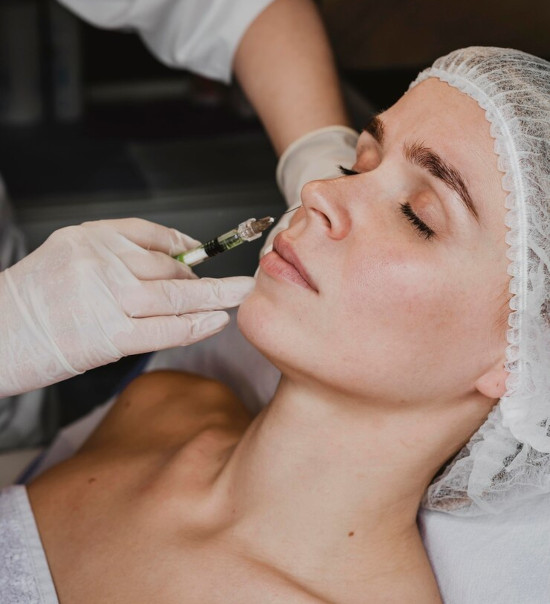
Administration
Getting Elasty and Melsmon isn’t the same experience. The method, frequency, and typical dosage volume differ significantly. Melsmon relies almost entirely on frequent, small subcutaneous injections, often requiring long-term commitment (e.g., weekly for months). Elasty offers more flexibility, commonly administered through higher-volume intramuscular shots or intravenous infusion, allowing for less frequent sessions (e.g., bi-weekly or monthly). Understanding these delivery routes helps set realistic expectations for time and clinic visits. The most noticeable difference is how the placenta extract enters your system and how often you need it. Melsmon has historically been delivered via small subcutaneous injections, typically administered weekly by a qualified practitioner or even self-injected (under medical guidance) once trained. Average doses are smaller, often around 1-2 ml per session. This method aims for a slow, steady release. Elasty, conversely, is primarily designed for larger volume delivery. Its administration frequently involves either:
- Deep intramuscular injection: Targeting larger muscles (like the buttock) allowing injection of higher volumes (typically 5 ml or more) per session.
- Slow intravenous (IV) infusion: Delivering the extract diluted in saline solution directly into the bloodstream over approximately 30-90 minutes. This bypasses absorption barriers.
These larger-volume methods mean treatments can often be spaced further apart – common protocols suggest sessions every 2 to 4 weeks, significantly reducing the number of clinic visits compared to a strict weekly Melsmon schedule. Elasty’s formulation concentration allows for this less frequent dosing schedule. While both require initial setup by a medical professional, Melsmon’s standard dosing often leans towards the possibility of more frequent, smaller self-administered doses, whereas Elasty is typically clinic-administered due to the injection technique or IV setup required.
| Administration Aspect | Melsmon | Elasty |
|---|---|---|
| Primary Delivery Route | Subcutaneous injection (SC) | Intramuscular injection (IM) or IV Infusion |
| Typical Volume Per Dose | Smaller (e.g., 1-2 ml) | Larger (e.g., 5 ml or more for IM/IV) |
| Standard Frequency | Very Frequent (usually weekly) | Less Frequent (e.g., bi-weekly to monthly) |
| Common Setting | Clinic or Self-injection (after training) | Typically Clinic-Administered |
| Procedure Duration | Brief injection (minutes) | Longer (IM shot: minutes; IV drip: 30-90 mins) |
| Patient Convenience | Potential for self-care; high time commitment | Fewer clinic visits; longer session time |
The core difference lies in balancing intensity with convenience: Melsmon uses low-volume, frequent doses targeting subcutaneous tissue, suited for long-term, consistent therapy. Elasty delivers concentrated doses via deeper IM injection or direct IV infusion less often, potentially offering stronger individual effects per session but requiring longer visits.
Best For
Choosing between Elasty and Melsmon often comes down to your main goals and where you’re starting from. Melsmon users typically fall into the 30s-50s age group seeking sustained vitality and prevention, often reporting smoother skin, better sleep, and energy boosts after consistent weekly treatments. Elasty appeals more to those aged 40s-70s wanting noticeable skin texture and hydration improvements quickly, with many users seeing plumper skin and reduced fine lines within just a few sessions of its concentrated delivery. Clinical practice suggests 60-70% of Melsmon protocols run 3-6 months minimum, while significant Elasty benefits often emerge within just 4-6 treatments spaced weeks apart. The core differences in formulation, dosing, and delivery naturally make each product better suited for specific types of users:
- Melsmon Shines For Preventative Care & Gradual Revitalization: If you’re in your late 30s to early 50s and want to maintain youthful function, combat mild fatigue, or support overall skin health before deeper aging sets in, Melsmon’s approach makes sense. Its low-dose, frequent subcutaneous injections mimic a steady nutrient trickle, which practitioners note works best for subtle, systemic improvements over 3-9 months. Think of it as long-term cellular maintenance. Common feedback centers on better sleep quality (+57% in one Tokyo clinic survey), sustained energy through the day (reported by 68% of consistent users), and a general ‘glow’. It’s less about dramatic transformation and more about holding your ground.
- Elasty Targets Corrective Rejuvenation & Faster Visible Changes: If you’re dealing with more advanced concerns like significant skin laxity, deep wrinkles, chronic dryness, or post-menopausal vitality drops, Elasty’s high-concentration, infrequent dosing offers a stronger intervention. Its deep IM or IV delivery floods tissues with active compounds quickly, making it effective for users typically aged 50+. Expect to notice changes faster: studies tracking skin hydration show 25-35% improvement within 3 sessions when administered bi-weekly. Patients often report a visibly plumper complexion, smoother texture, and firmer feel after the initial protocol. It’s designed for noticeable rejuvenation when time isn’t on your side.
- Duration Commitment vs. Intensity Preference: Here’s the trade-off: Melsmon requires dedication to frequent weekly visits (or self-injection) often for 5-6 months to build and sustain results. If you dislike or can’t commit long-term, it might feel burdensome. Elasty offers powerful bursts monthly or bi-weekly (just 4-8 visits over 3 months), requiring fewer appointments but longer per-session time (especially for IV). People wanting quick wins often prefer Elasty’s intensity, while those valuing subtlety and prevention lean towards Melsmon’s consistency.
The bottom line: Melsmon acts like a consistent vitamin drip for whole-body wellness in your preventative years, while Elasty works like a concentrated booster shot tackling advanced signs of aging with faster visible impact. Your main concern and tolerance for treatment frequency usually decides the best fit.