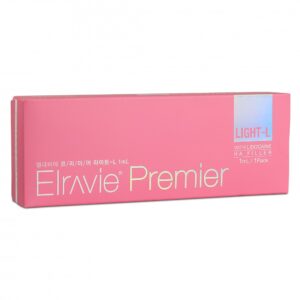
The cost of dermal fillers varies significantly, typically ranging from 2,000 per depending on the product (e.g., Juvederm, Restylane) and geographic location. The final price is influenced by the provider’s expertise, the number of required, and the specific treatment area, such as lips or nasolabial folds.
What Are Dermal Fillers?
Dermal fillers are gel-like substances, most commonly made from hyaluronic acid (HA), a naturally occurring sugar in your skin, that are injected to restore lost volume, smooth lines, and enhance facial contours. Over 4.1 million HA filler procedures were performed in the United States in 2023 alone, making them the second most popular minimally invasive cosmetic treatment. Their popularity stems from their ability to deliver noticeable results with little to no downtime, typically in a 15- to 30-minute session. Unlike neurotoxins (e.g., Botox) that freeze muscles, fillers act like a sponge, holding up to 1000 times their weight in water to add physical volume and hydration beneath the skin’s surface. The core mechanism of hyaluronic acid fillers is their unique ability to integrate with your skin’s tissue. Once injected, the HA gel binds with water, providing immediate volume and a smoothing effect. A key advantage is its reversibility; an enzyme called hyaluronidase can dissolve the filler if needed, a safety feature not available with all injectable types. The concentration of HA cross-linking—a process that determines the gel’s thickness and longevity—varies significantly between products. This is why some fillers are thicker and last 18-24 months for areas like the cheeks, while softer formulations for lips or fine lines may last 6-12 months.
The () has approved hyaluronic acid fillers for specific areas, including the nasolabial folds (smile lines), cheeks, lips, and the back of the hands. Using a filler outside of its approved indications is an “off-label” use.
Most modern HA fillers also include lidocaine, a local anesthetic, to reduce discomfort by up to 70% during the injection process. It’s crucial to understand that while HA is the dominant material, accounting for over 90% of the market, other biocompatible options exist. These include fillers made from calcium hydroxylapatite (e.g., Radiesse), which typically last about 12-18 months and also stimulate collagen, and poly-L-lactic acid (Sculptra), which isn’t a filler but a collagen stimulator with results that can build over 3-6 months and last over two years. The right choice depends entirely on your specific anatomical goal, the treatment area, and your desired outcome longevity.
Cost by Filler Type
The type of dermal filler used is the single biggest factor determining the final price of your treatment. Costs vary significantly because each product is uniquely engineered with different properties for specific purposes. A thicker, more viscous filler designed to add significant structure to the cheeks will command a higher price per than a softer, more flexible formula intended for fine lines. On average, patients can expect the base cost for a single to range from 2,500, with the national median hovering around $684. This variation is directly tied to the product’s complexity, longevity, and manufacturer. The primary cost driver is the product itself. Hyaluronic acid (HA) fillers dominate the market, but their prices are not uniform. The cost reflects research and development, manufacturing technology (especially the degree of cross-linking), and brand recognition. Premium brands like Juvéderm and Restylane have extensive clinical histories and specific product portfolios for nearly every area of the face, which justifies their higher price point. For instance, a of Juvéderm Voluma XC, approved for cheek augmentation, typically costs between 1,500 because it is a highly cross-linked formula designed to last up to 24 months and provide significant structural lift. In contrast, Restylane Refyne or Defyne, designed for dynamic areas like around the mouth, might cost between 800 per.
| Filler Brand (Common Examples) | Primary Use Case | Average Cost Per (USD) | Typical Longevity |
|---|---|---|---|
| Juvéderm Voluma XC | Cheek augmentation, structure | 1,500 | 18-24 months |
| Juvéderm Ultra XC | Lip enhancement, perioral lines | 1,000 | 10-12 months |
| Restylane Lyft | Cheeks, hands, nasolabial folds | 1,000 | 12-18 months |
| Restylane Kysse | Lip augmentation and texture | 900 | 9-12 months |
| Belotero Balance | Fine superficial lines | 800 | 6-9 months |
Calcium Hydroxylapatite (CaHA), found in Radiesse, acts as both an immediate filler and a collagen stimulator. A of Radiesse generally falls between 1,100 and results can persist for 12-15 months. Poly-L-lactic acid (P Sculptra) is not a filler but a biostimulator that works gradually over 3-6 months to rebuild collagen. A single of Sculptra may cost 1,200, but a full treatment protocol usually requires 2-3 over several months, representing a significantly larger total investment for results that can last over 24 months. It’s crucial to understand that thicker, longer-lasting fillers almost always come with a higher per-price but may offer better long-term value by requiring less frequent touch-up appointments.
Price by Treatment Area
Where you want the filler injected is a massive driver of the final cost. The price isn’t just about the amount of product; it’s about the technical skill, time, and anatomical precision required. A larger, structurally complex area like the cheeks will naturally require more volume than a subtle lip enhancement. However, a smaller area with intricate musculature, like the lips, demands a higher degree of expertise, which can elevate the cost. On average, patients spend between 2,500 per treatment session, with the total cost directly correlating to the number of used and the complexity of the area. The total expense is almost always a function of count. Most providers price by the, and different areas have vastly different volume requirements. For example, achieving a noticeable but natural enhancement in the lips typically requires 0.5 to 1 for a first-time treatment, costing between 1,000. In contrast, effectively restoring mid-face volume loss in the cheeks often necessitates 2 to 4 (one per cheek), pushing the total cost to a range of 4,000 or more. The nasolabial folds (smile lines) often require 1 to 2 total, placing the cost between 1,800.
| Treatment Area | Typical Required | Average Total Cost Range (USD) | Key Considerations |
|---|---|---|---|
| Lips (Augmentation) | 0.5 – 1 | 1,200 | High precision; requires an expert for natural shape. |
| Nasolabial Folds | 1 – 2 | 2,000 | Often treated with a thicker, longer-lasting product. |
| Marionette Lines | 1 – 2 | 2,000 | Treatment often integrates with jawline for best result. |
| Cheeks / Mid-Face | 2 – 4 | 5,000 | High volume area; cost scales directly with count. |
| Under-Eyes (Tear Trough) | 0.5 – 1 | 1,600 | Highest skill requirement; risk of complications is greater. |
| Jawline & Chin | 2 – 6 | 6,000 | Large area requiring significant product for definition. |
| Non-Surgical Rhinoplasty | 1 – 2 | 2,200 | Requires very high G-prime product; temporary results. |
Beyond just volume, the risk and expertise factor significantly into pricing. The under-eye or tear trough region is a prime example. It may only require 0.5 to 1 total, but the average cost is high (1,600) because it is one of the most technically challenging areas to treat. The skin is thin, and there’s a high density of blood vessels. An requires advanced training and hundreds of hours of specific experience to perform this safely and effectively, and this expertise is reflected in the price. Similarly, a non-surgical rhinoplasty demands a profound understanding of nasal anatomy to avoid vascular complications, justifying the premium cost for what seems like a small amount of product. Always choose your provider based on their demonstrated experience with your specific desired treatment area, not just their per-price.
How Provider Experience Affects Cost
The expertise of your is arguably the most critical factor influencing your dermal filler cost—and your results. You are not just paying for the product; you are investing in the provider’s technical skill, anatomical knowledge, and artistic eye. A board-certified dermatologist or plastic surgeon with a decade of specialized experience will command a significantly higher fee than a novice at a med spa. This price differential isn’t arbitrary; it reflects a lower risk of complications and a higher probability of a natural, aesthetically superior outcome. On average, choosing a highly experienced can add a 20% to 50% premium to the base cost of the filler itself, a premium that often proves to be a wise long-term investment. The cost structure is directly tied to the ‘s qualifications and overhead. A top-tier provider operating their own practice in a major metropolitan area has substantial operational expenses, including $100,000+ in annual malpractice insurance specifically for cosmetic procedures, advanced medical equipment, and highly trained staff. These factors are baked into their pricing. More importantly, their fee encompasses an intangible value: precision. An expert uses a deeper understanding of facial anatomy to place the exact right product in the correct tissue plane, maximizing longevity and minimizing waste. They might achieve a better result with 1.2 where a less experienced would use 1.8 and get an inferior look, effectively negating the apparent “savings.” Here’s how experience directly translates to cost and value:
- Reduced Complication Risk: The rate of vascular complications (like occlusion) is estimated to be below 0.01% in the hands of true experts who possess advanced emergency training. Correcting a complication can cost thousands of dollars and requires immediate treatment, making the initial higher fee a form of insurance.
- Superior Product Longevity: An expert ‘s precise placement ensures the product integrates optimally and is not prematurely broken down. This can extend the effective lifespan of your filler by 15-30%, meaning you need touch-ups less frequently, improving your long-term cost-efficiency.
- Advanced Technique Premium: Certain techniques require mastery. For example, use for safer injection in high-risk zones like the under-eyes or using micro-droplet techniques for the temples adds a 10-20% technique fee but drastically improves safety and subtlety of results.
- Artistic Assessment Value: The initial 15-30 minute consultation is where expertise is most visible. A seasoned provider will often recommend a holistic plan—perhaps 0.5 ml in the lips and 1.0 ml in the cheeks for balance—that a less trained eye might miss, ensuring your investment delivers harmonious results rather than isolated, “overdone” features.
Understanding Geographic Price Differences
Where you live plays a enormous role in how much you’ll pay for dermal fillers, with prices fluctuating by as much as 300% across different regions in the U.S. alone. This isn’t just about big cities versus small towns; it’s a complex equation driven by local economic factors, real estate costs, and regional demand. A single of a common hyaluronic acid filler might cost 500 in a suburban clinic in the Midwest but easily reach 1,200 for the exact same product and volume in a premium practice in Manhattan or Beverly Hills. This geographic price variance is primarily a reflection of the provider’s operational overhead and the local market willingness to pay for cosmetic services. A medical office in a high-demand zip code like 10019 in New York City can have an annual rent exceeding $150 per square foot, a cost that must be distributed across every service offered. This is compounded by higher local wages for support staff, more expensive insurance premiums, and general costs of living. Furthermore, markets with a high concentration of wealthy clients allow providers to command premium prices due to inelastic demand; the clientele in these areas prioritizes top-tier expertise and luxury experience over cost, sustaining a higher price floor.
| Metropolitan Area (U.S.) | Avg. Cost per (Mid-Range Filler) | Key Cost Drivers |
|---|---|---|
| New York City, NY | 1,400 | Extreme real estate costs, high-end client demand, concentration of top-tier MDs. |
| Los Angeles, CA | 1,300 | High competition but also high celebrity/entertainment industry standards. |
| Miami, FL | 1,100 | High demand from medical tourism, significant competition among providers. |
| Chicago, IL | 1,000 | Major metropolitan costs but slightly lower than coastal city premiums. |
| Dallas, TX | 900 | Moderate operational costs, growing market with strong competition. |
| Phoenix, AZ | 850 | Lower real estate costs, high provider saturation driving competitive pricing. |
| Rural Midwest | 700 | Lowest overhead, lower regional average income influencing price sensitivity. |
Beyond major metros, other factors create significant price pockets:
- Medical Tourism Hubs: Cities like Miami, Florida have a high density of clinics competing for both local and international clients. While competition can sometimes drive prices down, the focus on high-volume, aesthetic-focused practices often keeps prices in a mid-to-high range (1,100/), leveraging the constant influx of patients.
- State Licensing Laws: The legal scope of practice for non-physician (e.g., nurse practitioners, physician assistants) varies by state. States with more restrictive supervision laws may have a lower supply of, potentially allowing for slightly higher average pricing due to less competition.
- Regional Aesthetic Trends: In areas where a more natural, subtle look is favored, patients may require fewer per session, which could influence the perceived average cost. Conversely, in markets where a more dramatic result is popular, the typical treatment plan might involve 2-3 , making the total session cost appear very high even if the per-price is average.
Consultation and Pricing Questions
The initial consultation is your most important step, serving as a 15 to 30-minute strategic session to align your goals with a medically sound plan and a transparent budget. Surprisingly, over 35% of consultations result in a treatment plan different from the patient’s initial idea, as an expert assesses overall facial balance and volume loss. This appointment, which may cost between 250 (often credited toward your procedure), is where you move from online price guesses to a firm, personalized quote. Coming prepared with the right questions is crucial to avoid unexpected costs and ensure you fully understand the investment for your desired outcome. Your primary goal is to leave the consultation with a completely clear understanding of the total cost and the rationale behind it. The listed price per is often just the starting point. A qualified provider will break down the estimate based on the specific plan for your face.
“A detailed treatment plan should always specify the exact number of recommended per area and the specific brand of filler proposed. If a provider gives a vague total price without this breakdown, consider it a red flag.”
Here are the essential questions to ask to quantify your investment and assess value:
- ”What is the total all-inclusive cost for the first treatment?” Request a final number that includes the exact number of , the practitioner’s fee, and any facility costs. A precise quote might be ”$1,850 for 1.5 of Juvederm Voluma for cheeks, all fees included.”
- ”What is the estimated longevity for my specific plan?” Ask for a time range based on the product and your metabolism. A good answer is specific: ”For cheek enhancement with this product, most of my patients see results lasting 18 to 22 months before a touch-up is needed.”
- ”What is your policy and cost for touch-ups or adjustments?” Many practices offer a 2 to 4-week follow-up window for minor adjustments at no charge. Understand the cost after that period; a touch-up might be offered at a 10-20% discount.
- ”Can you detail the breakdown of my quote?” A transparent provider will separate the product cost from the injection fee. For example, ”The filler itself is 300, making the total $989 per.”
Always ensure the consultation includes a thorough medical history review and a discussion of risks. The provider should spend a minimum of 15 minutes with you, using a mirror to point out anatomical considerations. This level of detail confirms you are paying for expertise, not just product. Finally, ask about the frequency of promotions or package deals for multiple, which can offer a 5-15% savings, but only if the treatment plan genuinely requires that volume.