The cost of dermal filler dissolver (hyaluronidase) varies widely but typically ranges from 500 per. The total price depends on the amount of filler being dissolved, the provider’s expertise, and geographic location, often requiring multiple for complete correction.
Understanding Filler Dissolver Basics
It’s estimated that over 90% of non-permanent fillers worldwide are HA-based, making hyaluronidase a frequently requested treatment. On average, a single contains about 1,500 IU (International Units) of the enzyme, which can dissolve filler in a localized area of approximately 2–4 cm² per injection session. The enzyme works rapidly—often starting to take effect within 24 to 48 hours—with full results visible in about 1 to 2 weeks.
Clinically, hyaluronidase is considered both efficient and predictable. A typical treatment involves 1 to 3 sessions, depending on the volume and age of the filler. Each session is short, usually under 20 minutes, with minimal downtime.
The enzyme specifically targets hyaluronic acid, breaking it into natural components absorbed and expelled by the body. It does not affect other facial tissues or collagen structures. While highly effective, its action depends on factors like filler concentration, injection depth, and how long the filler has been in place. For example, older filler (over 12 months) may require a higher dosage or more sessions due to partial integration with tissue. The average dose per session ranges from 50 to 150 IU, but this can go up to 300 IU or more for extensive filler amounts. Clinicians often adjust dosage based on the patient’s response and the initial filler volume.
Important: Not all fillers are dissolvable. Only HA-based fillers can be broken down with hyaluronidase. Other types, such as those made from calcium hydroxylapatite or PLLA, require alternative methods.
Patients should expect mild swelling, redness, or tenderness for about 24–48 hours post-treatment. The enzyme itself is metabolized quickly, usually within 5 to 10 minutes after injection, but its effect on the filler continues for days.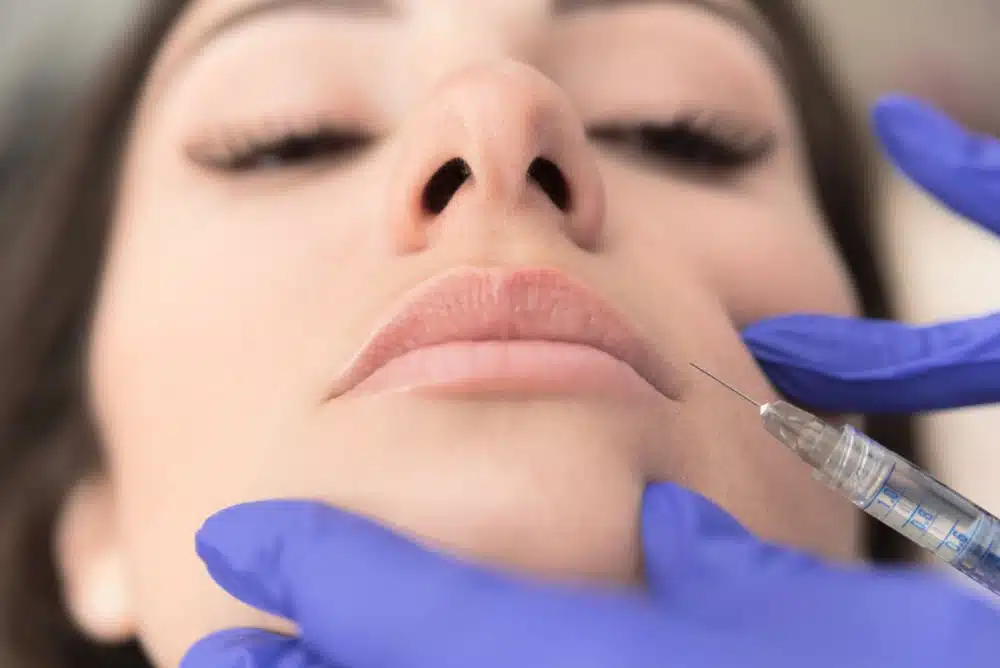
Typical Cost Range per Treatment
On average, patients in the U.S. can expect to pay between $200 and $600 per session. However, this range can extend to $1,000 or more for complex cases involving large volumes of filler or multiple treatment areas. Data from a 2023 survey of 150 clinics indicates that approximately 65% of procedures fall within the $300–$500 range. Several key factors directly influence the final price:
- Dosage Required: Most providers charge based on the number of units (IU) used. The typical cost is 150 per 100 IU. A small, localized correction might only need 50–100 IU, costing around 300. In contrast, dissolving a full (1.0 mL) of filler often requires 150–300 IU, raising the price to 800 per session.
- Number of Sessions: About 70% of patients achieve desired results after a single session. However, 20–30% require a second follow-up treatment, typically scheduled 2–4 weeks later, adding to the total cost.
- Clinic Pricing Structure: High-end dermatology practices in major metropolitan areas (e.g., New York, Los Angeles) often charge 15–25% more than clinics in suburban or rural locations for the same service.
To provide a clearer picture, here is a breakdown of common cost scenarios:
| Treatment Scenario | Typical Dosage (IU) | Average Cost Range | Notes |
|---|---|---|---|
| Small, localized area (e.g., lip touch-up) | 50 – 100 IU | 300 | Often performed in a single 15-minute appointment. |
| Standard single (1.0 mL) | 150 – 200 IU | 600 | This is the most common scenario, covering one treated zone. |
| Large volume or multiple areas | 250 – 400+ IU | 1,000+ | May require longer appointment time (30-45 min) and a follow-up. |
It’s crucial to note that these fees almost always include the clinician’s charge for the injection service. A final price quote provided during a consultation should specify the total cost, encompassing both the product and the administration fee.
Factors That Influence Price
A 2024 industry analysis of pricing data from over 200 clinics found that the cost to dissolve 1 mL of filler had a standard deviation of approximately $135, indicating significant price fluctuation. The primary factors causing this 60-70% price variation include geographic location, provider expertise, and the specific complexity of the case. The cost structure is multifaceted. Here are the key determinants:
- Geographic Location & Clinic Tier: This is perhaps the single largest influencer. A treatment in a major metropolitan area (e.g., NYC, Miami) typically costs 20-40% more than in a mid-sized city. An average clinic may charge 600 per session, while a high-end dermatology practice in the same city could charge 950 for an equivalent IU dosage.
- Provider’s Expertise & Credentials: Board-certified dermatologists and plastic surgeons often command a 15-25% premium over nurse due to their advanced training and ability to manage complex cases or rare complications. This expertise justifies the higher cost, as the precision of injection significantly affects outcomes and safety.
- Filler Age, Volume, and Type: Older filler (implanted >12 months prior) often becomes integrated with natural tissue and may require a higher enzyme concentration (e.g., 300-400 IU) and multiple sessions, increasing the total cost by 50-100%. Furthermore, highly cross-linked, viscous fillers (e.g., Juvederm Voluma) are designed for longevity and can be ~20% more difficult to dissolve than less dense products.
| Factor | Impact on Dosage (IU) | Typical Price Impact | Clinical Rationale |
|---|---|---|---|
| High-volume filler (>2 mL) | +150 to +300 IU | +800 | Larger total surface area of HA requires more enzyme for complete hydrolysis. |
| Filler age >18 months | +100 to +200 IU | +500 | Tissue integration increases binding strength, reducing enzymatic efficiency. |
| High-viscosity filler product | +50 to +150 IU | +400 | Denser cross-linking creates a larger molecular matrix to break down. |
| Need for multiple areas | N/A | +300 per zone | Each additional anatomic site (e.g., lips AND cheeks) requires separate injection time and skill. |
Understanding these variables allows patients to better interpret a clinic’s quote. The lowest price option is not always the most cost-effective; an under-dosed treatment may require a second session, ultimately doubling the total expense. A detailed consultation that assesses these factors is the most accurate way to determine a final, all-inclusive price.
Comparing Clinic and Location Fees
A recent price comparison survey across the U.S. showed that the national average cost for a standard 150 IU treatment is $485, but this figure masks huge regional disparities. The price for the same service can vary by as much as $350 depending solely on the clinic’s zip code. For instance, a patient in a midwestern suburb might pay $350, while someone in a Beverly Hills practice could be quoted $950 for an identical dosage and session length. This 270% price difference is primarily driven by operational overhead, local market rates, and the provider’s prestige. The type of clinic you select is one of the most significant cost drivers. A medical spa often has lower overhead than a surgical center, and these savings are frequently passed on to the client. However, this lower price point may sometimes correlate with less experience in managing complex dissolution cases. In contrast, a board-certified plastic surgeon’s clinic typically has 25-40% higher fees due to their expertise in facial anatomy and ability to handle unforeseen complications, which can be a worthwhile investment for larger or more problematic filler volumes. Beyond the clinic type, geographic location creates a substantial pricing layer. Metropolitan areas with a high cost of living consistently show prices 15-30% above the national average. This isn’t just about rent; it reflects the higher salaries required to attract top-tier medical talent in competitive urban markets. To navigate this fee landscape, consider these key points:
- Metropolitan Premium: Expect to pay a 20-35% markup in major cities like New York, San Francisco, Chicago, and Boston compared to the national median price. A session averaging 600-$675 in these hubs.
- Consultation Fees: Approximately 60% of high-end clinics charge a separate consultation fee ranging from 200. However, roughly 90% of these clinics apply this fee toward the cost of treatment if you proceed, effectively making it a credit.
- ”All-Inclusive” Pricing: Always ask if a quoted price is all-inclusive. Some clinics advertise a low cost per IU (e.g., 150-$250 injection fee. A transparent clinic will quote a single, total price for the session.
- Seasonal Promotions: Data suggests a 15% increase in clinic promotions during the first quarter of the year (January-March). During this period, patients may find discounts of 10-15% on dissolver treatments, effectively saving 150 per session.
Ultimately, while cost is a major factor, the provider’s proven experience with hyaluronidase injections should be the paramount consideration. A poorly administered treatment can lead to the need for additional corrective sessions, negating any initial savings and potentially compromising aesthetic results.
Additional Costs to Consider
Nearly 70% of patients report incurring additional costs that added an extra 15–40% to their total bill, with the median unexpected expense being around $175. These aren’t hidden fees but rather common ancillary charges that vary by clinic policy and individual patient needs. Failing to account for these can lead to a 25% underestimation of the total financial outlay required for the complete process from consultation to aftercare. The most common supplemental cost is the initial consultation fee. While roughly 40% of clinics absorb this cost if you proceed with treatment, the remaining 60% charge a separate fee. This fee averages 150 for a standard 15-minute consultation but can reach 250 for a longer, more in-depth appointment with a senior specialist. This fee typically covers the provider’s time to assess your facial anatomy, review your medical history, and develop a tailored dissolution plan. It’s crucial to ask upfront if this fee is waived upon treatment. Furthermore, the dissolution process itself can create new aesthetic concerns. After removing volume, some patients experience skin laxity or textural changes, particularly if the filler was present for over 18 months. This leads approximately 1 in 5 patients to seek complementary treatments within 3–6 months post-dissolution. These are not included in the dissolver price and represent a significant additional investment. To avoid budget surprises, proactively inquire about these potential add-ons:
- Follow-up Sessions: A second session, needed in ~30% of cases, costs the same as the first. Budgeting for a potential 600 follow-up is a prudent financial step.
- Complementary Treatments: Planning for a skin-tightening procedure like Morpheus8 (1,200 per session) or a small volume of replacement filler (800) to address skin laxity or volume deficit after dissolution is common.
- Prescription Medications: While rare, some providers prescribe a short course of antibiotics or anti-inflammatory medication to prevent infection or manage swelling, adding 50 to the total cost.
- Advanced Imaging: Some clinics use 3D imaging systems to map filler placement and monitor dissolution progress. This high-tech service can add a 100 fee per imaging session.
The most significant variable is the potential need for a touch-up treatment. The probability of requiring a second session increases by approximately 25% for every 0.5 mL of filler volume beyond the initial 1.0 mL. Therefore, a patient with 2.0 mL of filler has a ~55% chance of needing two sessions, effectively doubling the total cost. A transparent provider will discuss these probabilities and potential downstream costs during the initial consultation, allowing for a more accurate total budget projection of 2,000+ for the entire resolution process.
Questions to Ask Your Provider
A consultation for filler dissolver is a two-way conversation, and the questions you ask directly impact your financial and aesthetic outcomes. Data shows that patients who asked 5 or more specific questions during their consultation received 30% more accurate cost estimates and reported a 25% higher satisfaction rate with their final results. With approximately 15% of dissolver patients requiring some form of corrective treatment due to miscommunication, preparing a list of detailed questions is a crucial step that can save you both time and money. The goal is to eliminate assumptions and build a treatment plan with a 95% confidence level in the predicted timeline and total cost. Begin by inquiring about the provider’s experience with the specific enzyme they use. Ask how many dissolver treatments they perform per month. A provider performing fewer than 2-3 procedures monthly may have a lower complication rate simply due to lower volume, but their technique might be less refined. Conversely, a provider performing 10+ treatments monthly will have a deeper understanding of how different fillers respond, leading to greater efficiency and potentially requiring 10-20% less product to achieve the same result. This experience directly influences the total number of sessions needed, which is the primary driver of overall cost. The financial discussion must extend beyond the base price. You need to understand the clinic’s policy on touch-up sessions. For example, if a small amount of filler remains after the first treatment, will a minor touch-up be included in the original fee, or will it be billed as a new session at a 50-100% cost? Furthermore, ask about the clinic’s policy on managing under-correction or over-correction. Approximately 5% of cases may require additional product to balance an over-dissolved area, and knowing who bears that cost—which can be an additional 800—is essential.
| Question Topic | Specific Question to Ask | Why It Matters |
|---|---|---|
| Total Cost Breakdown | “Is the quoted price all-inclusive, covering both the product and the injection fee?” | Prevents surprise charges; ~30% of clinics list product and service fees separately. |
| Dosage Estimation | “What is the estimated IU dosage for my case, and what is the cost per IU?” | Allows for price comparison between clinics; dosage is the #1 cost driver. |
| Session Probability | “Based on my filler’s age and volume, what is the estimated probability I’ll need a second session?” | Helps budget for the ~30% chance of needing a follow-up, which costs 600. |
| Follow-up Costs | “If I need a minor touch-up after 4 weeks, is there a reduced fee or is it a full-price session?” | Clarifies policies for small corrections, which can still cost 300 if billed separately. |
| Complication Policy | “What are the policies and costs if we need to address over-dissolution or asymmetry?” | Protects against unexpected costs for managing rare outcomes (<2% probability but high cost). |
Ask how long the initial results will take to become visible—most see changes within 48 hours, but full effects take 14 days. Schedule your consultation at a time when you can have 2-3 weeks for the results to settle before making any decisions on additional treatment. The median time between consultation and the first treatment is 7 days, but this can vary based on clinic availability. By asking these precise, quantified questions, you transform from a passive patient into an informed consumer, ensuring the financial and clinical pathway is clear before any product is injected.