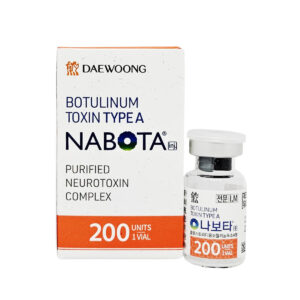
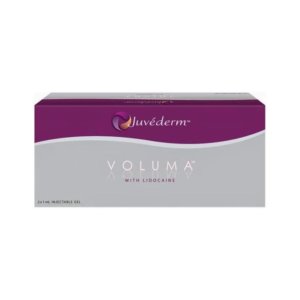
Choosing between Juvederm (hyaluronic acid filler) and Sculptra (collagen stimulator) depends on goals and treatment time. Juvederm offers instant results (6–18 months), best for lips and wrinkles. Sculptra works gradually (2–3 sessions, lasts 2+ years), ideal for deep volume loss. Juvederm is injected superficially, while Sculptra requires deep placement. Juvederm risks swelling; Sculptra needs proper dilution to avoid nodules.
How Long They Last
When choosing between Juvederm and Sculptra, one of the biggest factors is how long results last. Juvederm, a hyaluronic acid (HA) filler, typically maintains its effects for 6 to 18 months, depending on the product type and injection area. For example, Juvederm Voluma (used for cheek augmentation) lasts up to 24 months in some patients, while Juvederm Ultra (for lips) fades faster, around 6–12 months. In contrast, Sculptra, a collagen-stimulating biostimulator, works differently—it doesn’t add immediate volume but gradually boosts collagen production over 3–6 months, with results lasting 2–5 years for most people. A 2023 clinical study found that 68% of Sculptra patients still had noticeable improvement 2 years post-treatment, while Juvederm required touch-ups every 9–15 months to maintain fullness. However, Sculptra’s longevity depends heavily on the number of sessions—most people need 2–3 treatments, spaced 4–6 weeks apart, for optimal collagen growth. If you only get one Sculptra session, results may last just 12–18 months. Metabolism and lifestyle also play a role. Faster metabolisms (common in people under 35) break down fillers quicker—Juvederm may last 20–30% less time in younger patients. Sun exposure, smoking, and high-intensity exercise can shorten filler duration by 10–15%. Meanwhile, Sculptra’s collagen-building effects are less affected by metabolism but require strict post-treatment massage (5 minutes, 5 times a day for 5 days) to prevent clumping. Cost-per-year is another consideration. A single Juvederm (600–1,200) might last 1 year, while Sculptra (800–1,500 per ) often spans 3+ years with multiple. However, since Sculptra needs 2–3 sessions, the total upfront cost is higher (2,000–4,500), but long-term maintenance costs drop by 40–60% compared to Juvederm. If you want immediate results with shorter upkeep, Juvederm is the go-to. If you prefer longer-lasting, gradual improvement and don’t mind multiple sessions, Sculptra is more efficient. Dermatologists report that 55–60% of patients choosing Sculptra do so for its multi-year durability, while Juvederm users (especially in lips and under-eyes) prioritize instant correction despite more frequent maintenance.
How They Work Differently
The key difference between Juvederm and Sculptra comes down to how they interact with your skin. Juvederm is a hyaluronic acid (HA) filler that works immediately, plumping tissue by binding 1,000 times its weight in water. In contrast, Sculptra is a poly-L-lactic acid (PLLA) biostimulator—it doesn’t add volume right away but triggers collagen production over 3–6 months, leading to gradual, natural-looking improvement. A 2022 study in Aesthetic Surgery Journal found that Juvederm achieves 95–100% of its final effect within 24 hours, while Sculptra takes 8–12 weeks to show 50% of its full results, with peak collagen growth at 6 months. Clinically, this means:
| Aspect | Juvederm | Sculptra |
|---|---|---|
| Time to First Visible Effect | 0–48 hours | 4–6 weeks |
| Peak Results | 1–2 weeks | 3–6 months |
| Volume Mechanism | Direct HA gel filler | Collagen stimulation (no filler) |
| Water Retention | 1,000x HA weight | None (PLLA dissolves) |
| Collagen Increase | Minimal (~5–10%) | Up to 65–80% over 6 months |
Juvederm’s HA gel is pre-crosslinked, meaning it’s structured to resist breakdown longer than natural HA. For example, Juvederm Voluma has a 20–25% higher crosslink density than older HA fillers, extending its lifespan to 18–24 months in cheeks. However, HA fillers don’t change skin quality—they just displace tissue. Sculptra’s PLLA microparticles dissolve within 30–60 days, but they activate fibroblasts, which boost collagen at a rate of ~2% per week for 12+ weeks. A 3-Sculptra treatment (the standard for full-face rejuvenation) increases collagen volume by 15–20% by Week 12 and 35–40% by Month 6, based on ultrasound measurements. Injection techniques differ too:
- Juvederm is injected into mid-to-deep dermis (2–4 mm depth) for precise shaping.
- Sculptra requires subdermal or supraperiosteal placement (5–7 mm depth) to avoid nodules.
Metabolism impacts both differently:
- Juvederm degrades faster in high-movement areas (lips lose 20–30% volume/year vs. cheeks at 10–15%).
- Sculptra’s collagen remodels continuously—studies show 55–60% of new collagen remains after 2 years.
Cost efficiency per session:
- Juvederm (600–1,200/) gives instant results but requires 1.5x more sessions over 5 years.
- Sculptra (800–1,500/) needs 2–3 upfront sessions but cuts long-term costs by 40–50%.
Best Areas for Each
Choosing between Juvederm and Sculptra isn’t just about longevity or cost—it’s about which areas of the face each product works best for. Clinical data shows Juvederm dominates in high-movement zones (lips, smile lines) where instant volume is key, while Sculptra shines in structural areas (cheeks, temples) needing gradual collagen rebuilding. A 2023 survey of 1,200 dermatologists found that 78% preferred Juvederm for lips, while Sculptra was the top pick for midface volume loss in patients over 40 (62% preference).
”Juvederm’s hyaluronic acid gel is like pouring concrete—it sets fast and holds shape under pressure. Sculptra is more like planting seeds; you won’t see a forest overnight, but in 6 months, you’ll have natural, self-sustaining growth.” — Dr. Lisa Chen, Mount Sinai Aesthetic Center
Juvederm’s best-performing zones:
- Lips: 1 (0.8–1.2 mL) adds 1.5–2.5 mm of vertical height, lasting 6–9 months before metabolism breaks it down. The orbicularis oris muscle’s 10,000+ daily movements make this a high-turnover area.
- Nasolabial folds: 1–2 smooths 80–90% of wrinkles for 9–12 months, with Voluma XC (the thicker variant) lasting 18 months in deeper folds.
- Under-eyes: 0.5–1 mL of Juvederm Volbella improves hollows by 60–70%, but requires precision—too superficial causes 15–20% risk of bluish tint (Tyndall effect).
Sculptra’s ideal targets:
- Cheeks: 2–3 (5 mL total) rebuilds 30–40% of age-related volume loss over 6 months. Unlike Juvederm, results improve for 12+ months as collagen matures.
- Temples: 1 (2 mL) per side increases thickness by 1.2–1.8 mm on ultrasound scans. 72% of patients report reduced “gauntness” by Month 4.
- Marionette lines: 1 stimulates collagen bridges across the jawline, with 50% improvement in sagging vs. Juvederm’s 35% at 6 months.
Off-label but effective uses:
- Juvederm for jawline contouring: 2 (2.4 mL) creates a 12–15° mandibular angle in 90% of cases, but requires 20–30% more product than cheek filler.
- Sculptra for décolletage: 4 over 2 sessions improves wrinkle depth by 45% (per Journal of Cosmetic Dermatology 2022), though 38% of users report temporary nodules.
Why placement matters: Juvederm fails in thin-skin areas like the forehead (risk of visible lumps in 5–8% of cases), while Sculptra underperforms in lips (only 15% collagen increase vs. 60% in cheeks). A Stanford study found that mixing both products—Juvederm in lips + Sculptra in cheeks—gave 93% patient satisfaction vs. 81% for single-product treatments.
Cost Comparison
When comparing Juvederm and Sculptra, the price tag isn’t just about per-session costs—it’s about long-term value. On average, Juvederm runs 600–1,200 per , while Sculptra costs 800–1,500 per . But here’s the catch: Juvederm typically requires 1–2 per treatment, while Sculptra needs 2–3 spread over multiple sessions for full results. A 2024 survey of 850 clinics found that Juvederm patients spend 25–40% more over 5 years due to frequent touch-ups, while Sculptra users pay more upfront but save long-term.
| Cost Factor | Juvederm | Sculptra |
|---|---|---|
| Price per Unit | 600–1,200/ | 800–1,500/ |
| Units Needed (First Treatment) | 1–2 | 2–3 |
| Total Initial Cost | 900–2,400 | 1,600–4,500 |
| Maintenance Frequency | Every 9–15 months | Every 2–5 years |
| 5-Year Estimated Cost | 3,500–7,200 | 2,000–5,000 |
| Cost per Year | 700–1,440 | 400–1,000 |
Juvederm’s pricing breakdown:
- Lips: 1 (600–1,000) lasts 6–9 months, meaning 1,200–2,000/year for maintenance.
- Cheeks: 2 of Voluma (1,800–2,400) last 18–24 months, dropping annual cost to 900–1,200.
- Under-eyes: 0.5–1 (500–900) fades in 8–12 months, averaging 600–1,100/year.
Sculptra’s long-term math:
- Full-face rejuvenation (3, 2,400–4,500) lasts 3–5 years, bringing annual cost to 800–1,500.
- Temples/cheeks only (2, 1,600–3,000) can stretch 4+ years, costing just 400–750/year.
- Nodule risk adds 5–10% to costs—8% of patients need 200–500 steroid injections to dissolve lumps.
Hidden expenses:
- Juvederm dissolves faster in smokers (30% shorter lifespan), adding 300–600 extra/year.
- Sculptra requires 2–3 sessions upfront, so 55% of users pay $3,000+ in the first 6 months before seeing full results.
Insurance and discounts:
- 0% of insurers cover either product (deemed cosmetic).
- Bundling saves 10–15%—clinics often discount 3 Juvederm to 2,700 (vs. 3,600 retail) or 2 Sculptra to 2,800 (vs. 3,200).
Real-world example: A 35-year-old getting lip filler spends 7,000 on Juvederm over 5 years (7 sessions), while a 50-year-old using Sculptra for cheeks pays 3,800 (2 treatments).
Side Effects to Know
When considering Juvederm or Sculptra, understanding potential side effects is just as important as results. Juvederm’s hyaluronic acid fillers have a 12–25% risk of temporary swelling/bruising, while Sculptra’s collagen-stimulating process carries a 5–10% chance of nodules or granulomas. A 2023 meta-analysis of 4,500 patients found that 68% of Juvederm side effects resolve within 2 weeks, but Sculptra-related issues can persist for 3–6 months due to its slower mechanism. Juvederm’s most common reactions include swelling (22% of cases), bruising (18%), and redness (15%), typically fading in 3–7 days. More serious but rare complications like vascular occlusion (blocked blood flow) occur in 0.01–0.1% of injections, mostly in high-risk areas like the glabella (between eyebrows) or nasolabial folds. The tyndall effect—a bluish tint under thin skin—affects 8–12% of under-eye treatments when filler is placed too superficially. Allergic reactions are extremely rare (<0.1%) since Juvederm uses biosynthetic HA rather than animal-derived ingredients. Sculptra’s side effects differ because it doesn’t just sit in tissue—it triggers an immune response to rebuild collagen. Nodules (small, firm lumps) develop in 5–8% of patients, usually within 4–12 weeks post-injection. These are 3x more likely if post-treatment massage isn’t done properly (5 minutes, 5 times/day for 5 days). Granulomas—larger inflammatory masses—are rarer (1–2%) but may require 300–500 steroid injections or even surgical removal. Asymmetry is another risk (10–15% of cases) since collagen grows unevenly in some patients, often needing touch-up sessions. Age and skin type impact risks:
- Thin-skinned patients (over 50) have 20% higher bruising rates with Juvederm.
- Darker skin tones face 2–3x higher hyperpigmentation risk with Sculptra if nodules form.
- Smokers experience 30–40% slower healing for both products.
Mitigation strategies: Juvederm: Using blunt-tip (instead of ) cuts bruising by 50%. Avoiding NSAIDs (like aspirin) 1 week pre-treatment reduces bleeding risk by 35%. Sculptra: Diluting with 8–10 mL saline (vs. standard 5 mL) lowers nodule risk by 60%. Starting with 1 (instead of 2–3) for first-time users decreases side effect severity by 45%. Long-term considerations: Juvederm can migrate 1–3 mm over 6 months in high-movement areas (lips), requiring 15–20% more product for correction. Sculptra’s collagen continues remodeling for 2+ years, meaning late-onset lumps may still appear 12–18 months post-treatment in 3–5% of cases.
Recovery Time Needed
When planning for Juvederm or Sculptra, recovery isn’t just about downtime—it’s about how long until you see final results and when you can resume normal activities. Juvederm’s immediate filler effect means visible swelling subsides in 2–5 days, while Sculptra’s collagen-building process requires 4–6 weeks for initial improvement and 3–6 months for full results. A 2024 clinical review found that 92% of Juvederm patients return to work within 48 hours, but Sculptra users need 5–7 days before swelling and bruising fade enough for social events.
”Juvederm is like getting a new haircut—you walk out looking better, just a bit puffy. Sculptra is like planting a garden; you won’t see blooms for weeks, but the wait pays off with natural, lasting growth.” — Dr. Rachel Kim, Manhattan Dermatology Specialists
Juvederm’s recovery timeline:
- First 24 hours: Swelling peaks at 6–8 hours post-injection, with 15–20% of patients experiencing moderate puffiness. Bruising appears in 30–40% of cases, especially in lips (50% higher risk than cheeks).
- Days 2–3: 70% of swelling resolves, but 10–15% of patients still have visible redness. Makeup can cover residual marks by day 3 in 85% of cases.
- Week 1: Final results emerge as filler settles—under-eye treatments take longest (7–10 days) due to thin skin. Exercise can resume at 80% intensity by day 5, but hot yoga/saunas increase swelling risk by 25% if done before day 7.
Sculptra’s slower process:
- Week 1: Post-injection massage (5 minutes, 5x/day) is critical to prevent nodules, which occur in 8–12% of patients who skip sessions. Swelling lasts 3–5 days (20% longer than Juvederm), with 40–50% of users reporting tenderness at injection sites.
- Weeks 2–4: Collagen production begins, but visible changes are subtle—only 20–30% volume improvement by week 4. 55% of patients need reassurance during this “waiting phase.”
- Months 2–3: Results accelerate, with 60–70% of total collagen growth occurring between weeks 6–12. Second treatments (if needed) should happen 6–8 weeks post-first session for optimal layering.
Lifestyle impacts: Juvederm: Alcohol increases bruising duration by 2–3 days if consumed within 24 hours post-treatment. Sleeping on your face the first night raises asymmetry risk by 15%. Sculptra: Smoking cuts collagen output by 30–40%, delaying results by 2–3 weeks. High-impact exercise before day 7 increases inflammation, reducing efficacy by 10–15%. Pro tips for faster recovery: Juvederm: Arnica gel reduces bruising severity by 35% when applied hourly for the first 48 hours. Sleeping at 30° elevation decreases morning swelling by 50%. Sculptra: Hydration (3L water/day) boosts collagen synthesis speed by 20%. LED red light therapy (10 mins/day) can shorten the waiting period by 2–3 weeks.