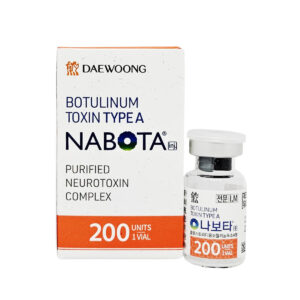
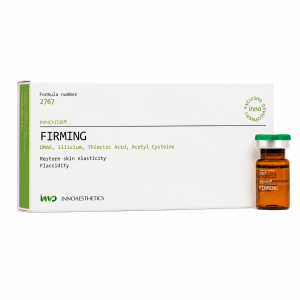
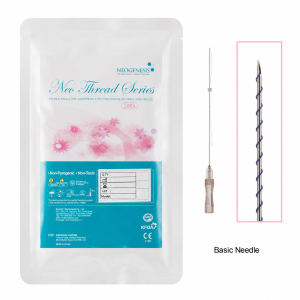
The primary ingredient in most dermal fillers is hyaluronic acid, a naturally occurring sugar that can hold 1,000 times its weight in water. Other types may use calcium hydroxyapatite or poly-L-lactic acid for longer-lasting structural support.
Main Ingredients Explained
Over 95% of the market is built on a single, foundational molecule: Hyaluronic Acid (HA). This isn’t a synthetic chemical; it’s a natural sugar already found throughout your skin, joints, and connective tissues. A single gram of HA can hold up to 6 liters of water, which is precisely why it’s the gold standard for adding volume and hydration. The remaining components are carefully added to control the gel’s behavior and ensure your comfort and safety. The absolute star of the show is Hyaluronic Acid (HA). While it’s a natural substance, the HA in fillers is produced through a bio-fermentation process in labs, making it pure and consistent. However, you never inject pure, liquid HA. It’s always cross-linked—a process where the individual HA molecules are bonded together into a three-dimensional gel matrix. This is the most critical step. The degree of cross-linking determines the gel’s strength, thickness, and how long it will last inside your body. A higher density of cross-links creates a stiffer gel, ideal for lifting cheeks or defining the jawline, and can last for up to 18-24 months. A lower density creates a softer, more fluid gel perfect for smoothing fine lines or hydrating lips, typically lasting around 6-12 months. To create this matrix, a cross-linking agent is essential. BDDE (1,4-Butanediol diglycidyl ether) is the most widely used and rigorously studied agent for this job. During manufacturing, over 99% of the BDDE becomes permanently bound within the HA gel structure. The tiny, residual amount that remains unbound is meticulously purified and removed until it reaches a concentration considered safe and non-toxic, well below the thresholds set by global health authorities like the. This ensures the final product is biocompatible. The gel isn’t left in a large block. It’s suspended in a carrier solution of sterile, buffered saline (salt water). This water-based solution makes the viscous gel injectable through very fine or. The saline also helps the gel integrate smoothly with your skin’s natural tissue immediately upon injection. Finally, most modern fillers include a small amount of lidocaine, a local anesthetic, directly mixed into the gel. This numbs the treatment area from the inside, significantly reducing discomfort. The concentration is low, usually around 0.3%, making the injection process far more comfortable without requiring a separate nerve block.
Common Gel Types
A high G’ gel, around 800-1000 Pa, can lift a nasolabial fold, while a low G’ gel, near 50 Pa, is designed for fine lines. These measurable properties directly dictate the filler’s intended use, performance, and longevity in the skin. The behavior of an HA filler is determined by its rheology—how it deforms and flows under pressure. The two most critical metrics are:
- G’ (Elastic Modulus): This quantifies the gel’s stiffness or firmness. A high G’ value (e.g., >500 Pa) means the gel is strong and will resist deformation, providing structural support and lift. It’s the scaffolding of fillers.
- Complex Viscosity: This measures the gel’s resistance to flow. A high-viscosity gel is thick and cohesive, tending to stay in a single place once injected. A low-viscosity gel is more fluid and spreadable.
These properties are engineered by varying the HA concentration and the degree of cross-linking. A higher concentration of HA, say 24 mg/mL versus 20 mg/mL, contributes to a denser gel. More importantly, a greater density of cross-links creates a stiffer, more durable network.
| Gel Type | G’ (Stiffness) | Viscosity | HA Concentration (Typical) | Primary Use Cases | Average Duration |
|---|---|---|---|---|---|
| High-Strength/Cohesive | Very High (>600 Pa) | Very High | 20-24 mg/mL | Cheek augmentation, jawline contouring, chin augmentation. Provides strong lift. | 18-24 months |
| Medium-Density/Balanced | Medium (200-500 Pa) | Medium | 18-22 mg/mL | Nasolabial folds, marionette lines, pre-auricular area. For moderate volume and correction. | 12-15 months |
| Low-Density/Soft | Low (<200 Pa) | Low | 15-20 mg/mL | Lip enhancement, fine perioral lines, tear troughs. For subtle smoothing and hydration. | 6-12 months |
| Ultra-Soft/Spreading | Very Low (<50 Pa) | Very Low | <15 mg/mL | Hydration of the skin’s surface (e.g., mesotherapy), very fine lines. | ≤ 6 months |
This classification is not just academic; it’s a practical guide for practitioners. Using a high G’ product in the lips would create an unnatural, hard feel, while using a soft product for the cheeks would provide zero lift and dissipate quickly. The product longevity is directly correlated with these properties. A stiffer, more cross-linked gel is broken down by the body’s hyaluronidase enzymes at a slower rate, often lasting well over a year and a half. Softer gels are metabolized more quickly. Choosing the right gel type is the first step in achieving a natural, effective, and long-lasting result.
How It Integrates with Tissue
Within the first 24 to 72 hours, the HA gel’s powerful hydrophilic properties begin drawing water molecules, achieving up to 95% of its final volume. However, the long-term success, lasting 12 months or more, depends on how the body’s natural tissues respond to and grow around this implanted structure. The initial phase is physical integration. Upon injection, the physician’s technique dictates the precise placement of the gel—whether it’s deposited in a bolus for structure, fanned out for broad coverage, or threaded linearly for support. The gel does not exist in a void; it occupies space within the dermal-subdermal junction and subcutaneous fat, creating a defined pocket. The gel’s viscosity and elasticity (G’) are critical here. A high G’ gel will maintain its position with minimal migration, displacing tissue to create lift. A low G’ gel will interweave more diffusely among collagen and elastin fibers for hydration. The immediate visual correction you see is a combination of the gel’s physical presence and its rapid absorption of water, which can increase its volume by a factor of 4x to 6x within the first week. The long-term, sustained effect is driven by biological integration. The implanted HA matrix acts as a signal and a support structure for your body’s own cells:
- Fibroblast Activation: The presence of the cross-linked HA gel creates a mild, localized biological response. Fibroblasts, the cells responsible for producing collagen, elastin, and your own natural hyaluronic acid, are stimulated. Over a period of 3 to 6 months, these fibroblasts deposit new collagen (Type I and III) directly onto the HA scaffold. This process, known as neocollagenesis, is responsible for a significant portion of the lasting volume and skin quality improvement. Studies using ultrasound have shown a 20-30% increase in dermal thickness in treated areas even after the filler itself has begun to degrade.
- Vascular Integration: The gel is porous, allowing tiny capillaries and nutrients to permeate its structure. This vascular in-growth is crucial for maintaining tissue health and ensuring the gel is gradually and evenly metabolized by the body over its intended lifespan, rather than being isolated and broken down abruptly.
The first 2 weeks involve settling and final hydration. The following 3 to 6 months are where the most important biological remodeling occurs, with new collagen formation solidifying the result. The filler doesn’t just sit there; it actively encourages your skin to rebuild itself. This is why results often look more natural over time and why the effects can persist for many months beyond the point when the last trace of the original gel product has been metabolized. The degradation rate is slow and linear, with most gels losing approximately 10-15% of their volume and lifting capacity per quarter after the 6-month mark.
Adding Numbing Agents
Over 95% of leading HA filler brands now incorporate lidocaine hydrochloride directly into their gel formulations. This innovation has significantly changed the patient experience. Before its introduction, practitioners had to administer separate nerve blocks, which involved 2 to 3 additional injections and a waiting period of 10-15 minutes for the numbing to take effect. Integrated lidocaine streamlines the process, reducing both procedure time and discomfort from the initial prick. The lidocaine included in these fillers is not a random addition; it is meticulously dosed for safety and efficacy. The typical concentration is 0.3% (3 mg of lidocaine per 1 mL of filler). This amount is calculated to be effective locally while remaining well within safe systemic limits. For context, the maximum safe dose of lidocaine for a 70 kg (154 lb) adult is approximately 300 mg when administered without epinephrine. A full 1 mL of filler contains only 3 mg, meaning it would take 100 injected at once to reach that threshold—a clinically impossible scenario. This makes the pre-mixed formulation exceptionally safe. The mechanism of action is direct and localized. As the filler is injected, the lidocaine molecules diffuse immediately into the surrounding tissue. It works by blocking sodium channels on nerve cells, preventing them from sending pain signals to the brain. The onset of action is rapid, typically within 30 to 60 seconds, which is ideal for a procedure that may involve multiple injection points in a single session. The effects last for 45 to 60 minutes, providing ample coverage for the procedure and the immediate aftermath when some mild soreness might occur. The benefits of integrated anesthetic are clear for both the patient and the practitioner:
- Redized Procedure Pain: Patient-reported pain scores on a 0-10 scale consistently drop by an average of 3 to 4 points when compared to fillers without lidocaine. The most significant reduction is in the pain from the initial insertion and the burning sensation sometimes associated with the gel’s expansion.
- Increased Patient Tolerance: This allows for a more comfortable experience, which is particularly important for first-time patients or those undergoing treatment in sensitive areas like the lips. Comfortable patients are less anxious and move less, allowing for greater precision.
- Improved Clinical Efficiency: Eliminating the need for a separate nerve block injection saves a considerable amount of time. A typical appointment can be shortened by 15-20 minutes, increasing a clinic’s daily capacity and improving workflow.
A small percentage of individuals (less than 5%) may have a sensitivity to lidocaine, and while true allergies are extremely rare (<0.1%), practitioners always review medical histories beforehand. This simple addition has transformed dermal filler treatments from a potentially daunting experience to a much more manageable one.
Duration and Why It Varies
While manufacturers provide general timelines—often 9 to 18 months for many popular HA products—the actual duration any individual experiences is a complex equation. It’s influenced by a combination of the product’s physical properties, the anatomical area injected, and crucially, the patient’s unique biological factors. Understanding this variance is key to setting realistic expectations and planning for maintenance. The product itself is the starting point. The density of cross-linking and the HA concentration are the primary engineers of longevity. A robust, high G’ filler designed for the cheeks (e.g., 24 mg/mL, G’ > 600 Pa) is built to resist enzymatic breakdown, often maintaining 80% of its initial volume at the 12-month mark and potentially lasting up to 24 months. Conversely, a soft, low G’ lip filler (e.g., 20 mg/mL, G’ < 200 Pa) is metabolized more quickly, with many patients seeking a touch-up between 6 and 9 months. The following table illustrates how product choice dictates baseline duration:
| Filler Type (by Area) | Typical HA Concentration | Typical G’ (Stiffness) | Expected Duration Range | Key Influencing Factors |
|---|---|---|---|---|
| Cheeks/Jawline | 22-24 mg/mL | High (>600 Pa) | 18 – 24 months | Low mobility, high product density. |
| Nasolabial Folds | 20-22 mg/mL | Medium (200-500 Pa) | 12 – 15 months | Moderate mobility, balanced product. |
| Lips | 18-20 mg/mL | Low (<200 Pa) | 6 – 9 months | High mobility, thinner tissue, frequent use. |
| Tear Troughs | 15-20 mg/mL | Very Low (<100 Pa) | 9 – 12 months | Low mobility, but very delicate tissue. |
However, the product is only part of the story. Individual patient biology plays a massive role, often accounting for a ±30% variance from the average expected duration. The primary biological engine of breakdown is the body’s natural enzyme, hyaluronidase. Everyone produces this enzyme at a different baseline rate, and its activity can be influenced by several key factors:
- Metabolic Rate: Individuals with a higher basal metabolic rate tend to break down fillers more quickly. A person with a fast metabolism might process a cheek filler in 14 months, while someone with a slower rate might see results last for 22 months.
- Lifestyle Factors: Activities that significantly increase blood flow and metabolic activity locally can shorten longevity. Intense exercise 5+ times per week can accelerate degradation. Similarly, frequent exposure to high temperatures (e.g., saunas, hot yoga) can increase the rate of breakdown.
- Age and Skin Quality: Surprisingly, younger skin with a more robust collagen network and higher cellular turnover may metabolize filler slightly faster than older, less active skin. A 35-year-old might metabolize a lip filler in 7 months, while a 60-year-old might see results last for 10 months.
Areas with high muscular movement and dynamic expression—like the lips (orbicularis oris muscle) and the marionette lines (depressor anguli oris muscle)—constantly massage and mechanically break down the filler, leading to a 20-40% faster degradation rate compared to a static area like the chin or temples. A deep injection into the subcutaneous fat will typically last longer than a mid-dermal injection, as it is further from the surface and experiences less mechanical stress. The initial amount injected also plays a role; a 1.0 mL treatment in the cheeks will have a longer apparent duration than a 0.5 mL treatment, as it takes more time for the body to metabolize a larger volume down to a point where the patient perceives a need for a top-up.
Selecting the Right Product
With over 50 different HA filler products on the market, each engineered with distinct physical properties, the right choice is critical. For instance, using a high G’ filler designed for the jawline in the lips has a >90% probability of creating an unnatural, hard feel. The selection process is a multi-variable equation that prioritizes safety and natural outcomes over brand names. The single most important factor is rheology—the science of how the gel deforms and flows under stress. A practitioner’s first decision is matching the product’s G’ (stiffness) and viscosity to the anatomical layer and desired outcome. A high G’ product (>600 Pa) is non-negotiable for structural support, as it can resist the constant ~2 N/cm² of pressure from facial tissues to provide lift. Using a medium G’ product here would result in >50% less projection and a duration shortened by ~6 months. The following table outlines the primary product selection matrix based on area and goal:
| Target Area & Goal | Required Gel Properties | Example Product Types | Key Consideration |
|---|---|---|---|
| Cheekbone Augmentation | Very High G’ (>800 Pa), High Viscosity | Voluma, Juvéderm Volux | Must resist compression; placed on bone. |
| Nasolabial Fold Correction | Medium-High G’ (400-600 Pa), Cohesive | Juvéderm Ultra Plus, Restylane Lyft | Balances ease of injection with longevity. |
| Lip Body & Definition | Low G’ (<200 Pa), Highly Malleable | Restylane Kysse, Juvéderm Ultra Smile | Allows for soft, natural movement and texture. |
| Tear Trough Rejuvenation | Very Low G’ (<50 Pa), Low Viscosity | Belotero Balance, Restylane Skinboosters | Minimizes risk of Tyndall effect (bluish discoloration). |
Beyond rheology, several other critical variables must be calculated into the product selection algorithm:
- Tissue Depth and Volume Need: The required injection depth dictates product choice. A filler placed on periosteum (bone) for chin augmentation requires a high G’ product and a larger volume, often 1.0-2.0 mL. A filler for fine lines in the dermis requires a soft product and a micro-droplet technique, often using <0.5 mL total. Misplacement of a high G’ product too superficially has a ~15-20% risk of creating visible lumps or irregularities.
- Patient’s Age and Skin Elasticity: A 45-year-old patient with good skin elasticity might achieve a natural cheek enhancement with 1.2 mL of a high G’ product. A 65-year-old with significantly reduced elasticity might require a more conservative 0.8 mL and a potentially softer product to avoid an over-projected, “overdone” appearance due to lack of tissue support.
- Longevity Expectations and Budget: Product longevity directly impacts cost-per-month. A cheek filler costing 50. A lip filler costing 93.