Exosome Therapy in Aesthetics: What It Is, How It Works, and Why Clinics Are Adding It
Written by FillersFairy Editorial · Reviewed by FillersFairy Clinical Team · Last updated: 2026-06-28
Quick Answer
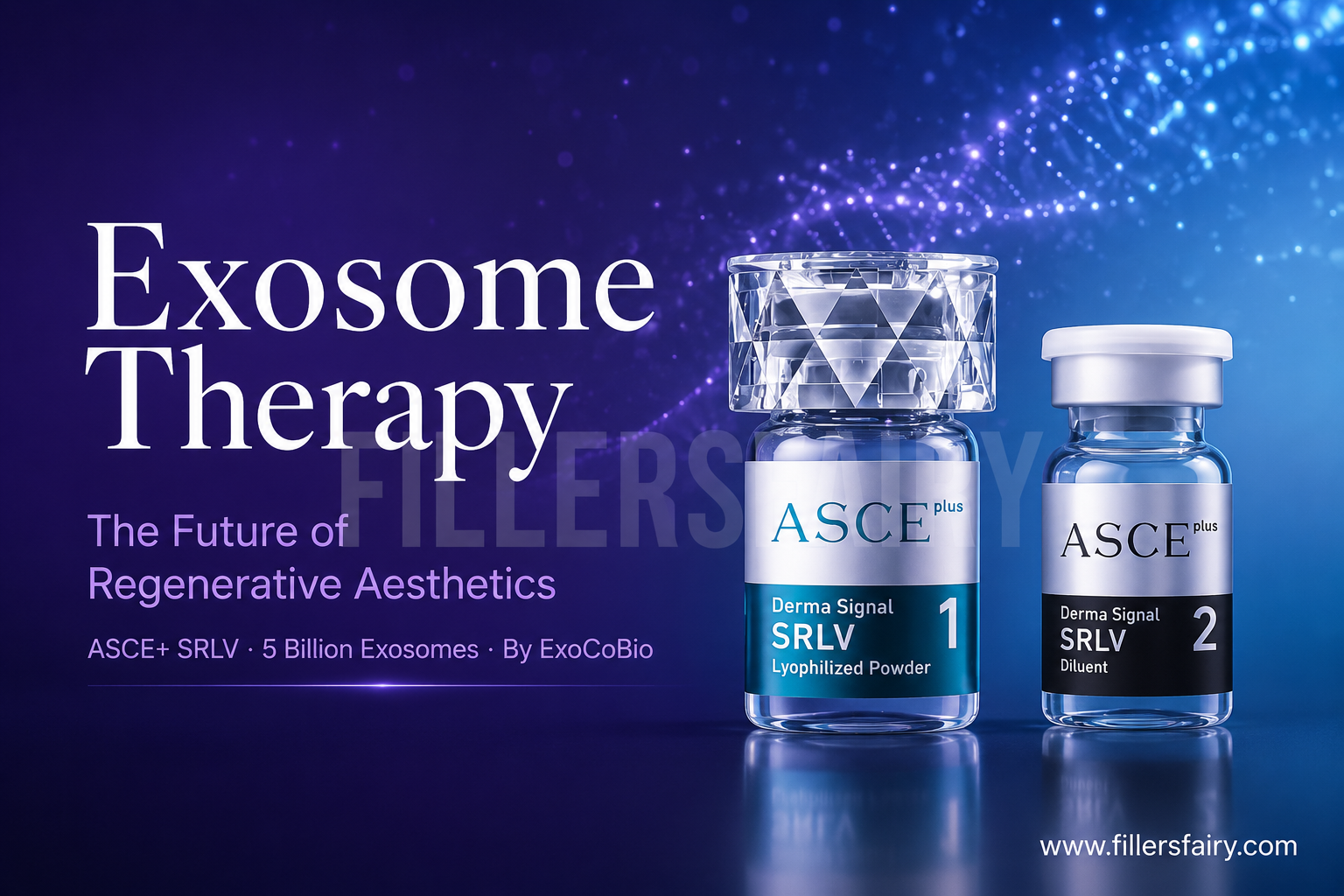
Exosomes are nanosized (30–150 nm) extracellular vesicles that carry growth factors, microRNAs, peptides and signalling proteins between cells. In aesthetics, stem cell-derived exosomes are applied to skin after microneedling, laser or RF treatments to accelerate repair, stimulate collagen production and reduce inflammation. ASCE+ SRLV by ExoCoBio — containing 5 billion rose stem cell-derived exosomes per kit — is the most widely distributed exosome product in the aesthetic space. Published research shows exosomes induce fibroblast proliferation, increase collagen and elastin production, reduce melanin synthesis and modulate inflammation. For clinics, exosome therapy represents the newest tier in regenerative aesthetics — positioned above PN and PDRN as the most advanced cell-signalling technology available.
What Are Exosomes — In Simple Terms
Think of exosomes as biological text messages between cells. They are tiny vesicles (30–150 nm — about 1/1000th the size of a human cell) released by stem cells, carrying cargo that tells other cells what to do: repair damage, produce collagen, reduce inflammation, or regenerate tissue.
Every cell in the body communicates through exosomes. What makes them powerful in aesthetics is that stem cell-derived exosomes carry the repair instructions of young, healthy cells — and when delivered to ageing or damaged skin, they reprogram local cells to behave more like their younger counterparts.
The cargo inside an exosome includes growth factors, microRNAs (genetic instructions), peptides, signalling proteins and lipids. Unlike single-ingredient treatments (HA for hydration, PN for A2A receptor activation), exosomes deliver hundreds of bioactive molecules simultaneously — a complete cellular repair toolkit.
How Exosomes Work on Skin
When exosomes are applied to skin (typically after microneedling or laser to create absorption pathways), they are taken up by local cells — fibroblasts, keratinocytes, melanocytes and macrophages. Once inside these cells, the exosome cargo triggers specific biological responses:
| Target Cell | What Exosomes Tell It to Do | Visible Result |
|---|---|---|
| Fibroblasts | Proliferate and increase collagen + elastin synthesis | Firmer, more elastic skin with reduced wrinkles |
| Keratinocytes | Accelerate epidermal turnover and barrier repair | Smoother texture, brighter complexion, stronger skin barrier |
| Melanocytes | Reduce melanin synthesis | More even skin tone, reduced pigmentation |
| Macrophages | Reduce inflammatory cytokines (IL-6) | Faster post-procedure recovery, reduced redness, calmed skin |
This multi-target mechanism is what distinguishes exosomes from every other regenerative aesthetic treatment. PN activates one receptor (A2A). PDRN activates one receptor (A2A with different molecular weight). Exosomes activate multiple cell types simultaneously through hundreds of different signalling molecules.
Exosomes vs PN vs PDRN vs Growth Factors — The Regenerative Ladder
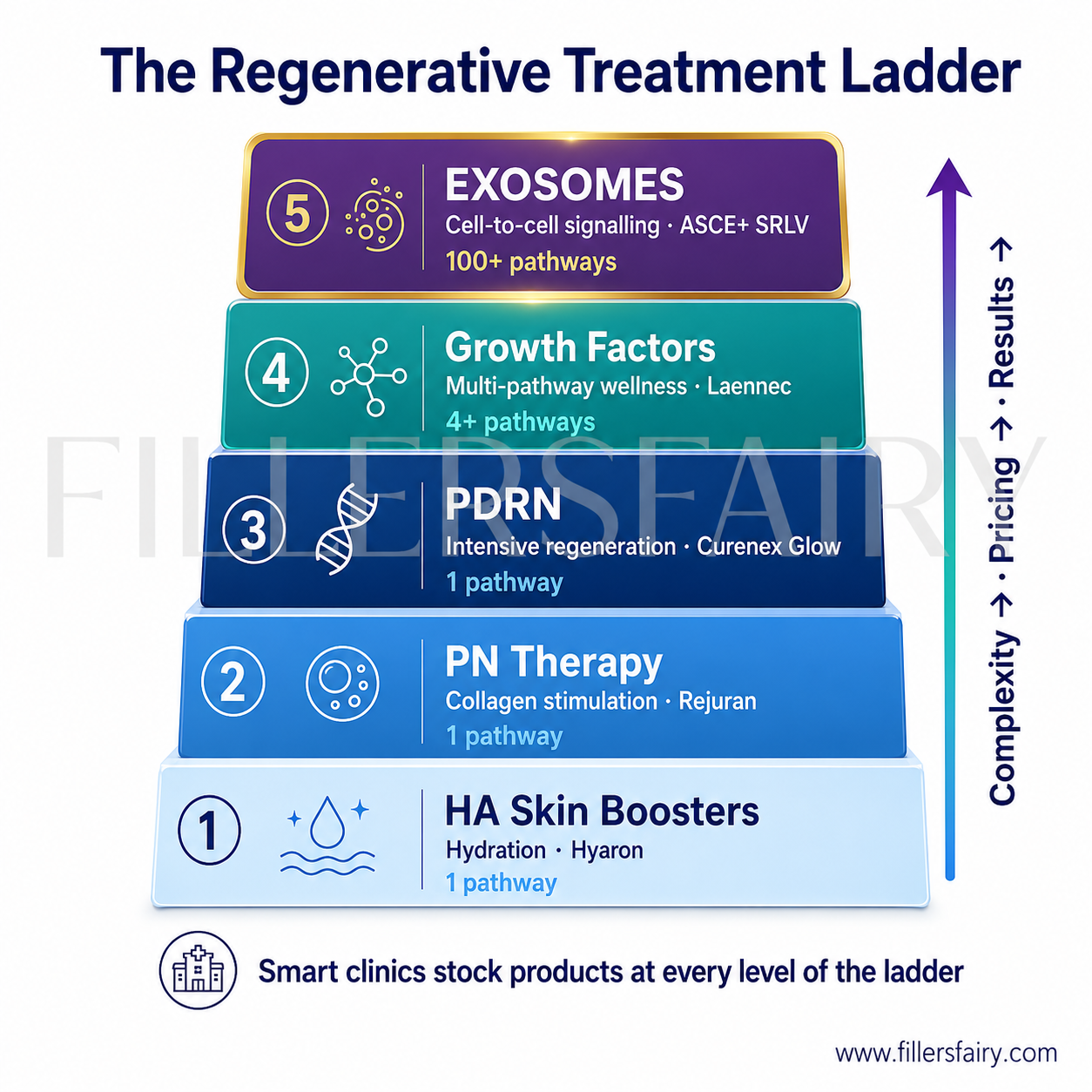
| Technology | Mechanism | Pathways | Product Example | Position |
|---|---|---|---|---|
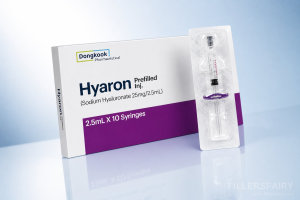
| HA Skin Boosters | Water binding | 1 (hydration) | Hyaron | Entry-level |
| PN (Polynucleotide) | A2A receptor activation | 1 (collagen) | Rejuran | Regenerative |
| PDRN | A2A receptor (smaller fragments) | 1 (intensive collagen) | Curenex Glow | Premium regenerative |
| Growth factors | Multiple GF receptors | Multiple (EGF+FGF+HGF+IGF) | Laennec | Multi-pathway wellness |
| Exosomes | Cell-to-cell signalling (miRNA + GFs + peptides + proteins) | 100+ (fibroblasts + keratinocytes + melanocytes + macrophages) | ASCE+ SRLV | Most advanced |
This table is your treatment ladder. Smart clinics stock products at each level: HA for entry-point patients, PN/PDRN for regeneration seekers, growth factors for wellness-oriented patients, and exosomes for patients who want the most advanced technology available. Each level up commands higher per-session pricing.
ASCE+ SRLV by ExoCoBio — Product Deep Dive
| Parameter | Specification |
|---|---|
| Manufacturer | ExoCoBio Inc. (South Korea). USD 60M+ invested in R&D. 40+ patents. |
| Exosome Source | Rosa damascena (Damask rose) stem cell-derived exosomes, purified via proprietary ExoSCRT™ technology |
| Exosome Count | 5 billion exosomes per kit |
| Kit Contents | 1 vial × 20 mg lyophilized exosome powder + 1 vial × 5 mL HA activator |
| Additional Active Ingredients | High-MW hyaluronic acid, 10 growth factors, 6 peptides, NAD+, DMAE, glutathione |
| Technology | ExoSCRT™ — proprietary isolation and purification process ensuring high-purity exosomes |
| Registration | Registered as cosmetic product in Korea, US and Europe. ISO 13485 certified manufacturing. |
| Storage | Refrigerated 2–8°C. Lyophilized format ensures stability until reconstitution. |
| Product Line | SRLV (facial rejuvenation) · HRLV (hair/scalp) · IRLV (intimate care) |
Source: ExoCoBio Inc. official product documentation and e-fillers.com verified specifications.
Why ExoCoBio leads the exosome category: Most exosome products on the market lack standardised manufacturing, consistent potency testing and published research. ExoCoBio is the exception — with 40+ patents, ISO 13485 certification, cosmetic product registration in three major markets and the ExoSCRT™ purification technology that isolates only the active exosome fraction. This is not a white-label product with a marketing story; it’s a dedicated exosome platform company.
What the Published Research Shows
The clinical evidence for exosomes in aesthetics is growing. Key findings relevant to ASCE+ SRLV:
Rose stem cell exosomes — fibroblast stimulation: Won et al. demonstrated in vitro that rose stem cell-derived exosomes (RSCE) effectively induced fibroblast proliferation and subsequent production of collagen and elastin (PMC11372705).
Melanocyte modulation: The same research showed that when taken up by melanocytes, RSCE reduced melanin synthesis — supporting the clinical observation of improved pigmentation after exosome treatments.
Anti-inflammatory properties: RSCE targeting macrophages reduced levels of interleukin-6 (IL-6), demonstrating anti-inflammatory activity relevant to post-procedure recovery (PMC11372705).
Split-face studies: Clinical split-face studies on adipose stem cell-derived exosomes (ASCE) showed significant improvement in pigmentary lesions and improvement of acne scars post-CO₂ laser compared to control groups (referenced in Lo Cicero et al., Cho et al.).
Clinical Applications
Exosome therapy is almost always used in combination with a device-based treatment that creates absorption pathways:
| Application | Device Pairing | Expected Outcome |
|---|---|---|
| Skin rejuvenation | Microneedling (0.5–1mm) | Enhanced collagen production, improved texture, radiance and elasticity |
| Post-laser recovery | Applied after fractional laser | Accelerated healing, reduced downtime, less redness and inflammation |
| Pigmentation treatment | Microneedling or RF | Reduced melanin synthesis, more even skin tone |
| Acne scar revision | Microneedling or RF microneedling | Improved scar texture through enhanced collagen remodelling |
| Scalp/hair restoration | Microneedling (ASCE+ HRLV) | Stimulated hair follicle activity, reduced hair loss |
Hair/scalp evidence note: For a separate review of current evidence, regulatory limits and ASCE+ HRLV, Hairna and Hairiz formats, read the exosome hair treatment evidence and product guide. The linked guide distinguishes category research from product-specific documentation.
Treatment Protocol
Preparation: Combine 20 mg lyophilized exosome powder (Vial 1) with 5 mL HA activator (Vial 2). Gently swirl — do not shake aggressively. Use within the same session.
Application: After the device treatment (microneedling, laser, RF) creates micro-channels in the skin, apply the reconstituted ASCE+ SRLV solution as a glide medium or post-treatment serum. The micro-channels allow the 30–150 nm exosomes to penetrate into the deeper layers of the skin.
Post-treatment: Apply the ASCE+ Soothing Gel Mask (if using the full kit) to calm the skin and enhance exosome absorption during the initial recovery period.
Course: Typically 3–5 sessions at 2–4 week intervals for optimal results. Maintenance every 1–3 months depending on patient needs and treatment goals.
How to Position Exosome Therapy in Your Clinic
Premium pricing tier. Exosome therapy commands the highest per-session pricing in the skin booster category. Patients who choose exosomes are typically your most premium clients — they want the most advanced technology available and are willing to pay for it.
The “upgrade” conversation. For patients already receiving microneedling or laser treatments, exosomes are a natural upsell: “We can add exosome therapy to your microneedling session to significantly enhance the results and speed up your recovery.” The add-on model increases per-visit revenue without requiring additional appointment time.
Differentiation from competitors. Most clinics offer microneedling. Far fewer offer microneedling + exosomes. The combination positions your clinic as a leader in regenerative aesthetics — a differentiator that justifies premium positioning.
The treatment ladder. Start new patients with HA boosters (Hyaron), progress to PN therapy (Rejuran), then introduce exosomes (ASCE+ SRLV) as the pinnacle treatment. Each step up increases per-session value and patient commitment. Check ASCE+ SRLV wholesale pricing →
Practitioner Confidence Summary
Exosome therapy represents the most advanced tier in regenerative aesthetics — multi-target cell-to-cell signalling that goes beyond what any single-ingredient treatment can achieve. ASCE+ SRLV by ExoCoBio leads the category with 40+ patents, ISO 13485 manufacturing, published research supporting fibroblast stimulation, melanocyte modulation and anti-inflammatory activity. For clinics, it’s the premium offering that commands highest pricing, differentiates from competitors and appeals to the most valuable patient segment. View ASCE+ SRLV product details →
Frequently Asked Questions
What are exosomes in aesthetics?
Exosomes are nanosized (30–150 nm) vesicles released by stem cells that carry growth factors, microRNAs and signalling proteins. In aesthetics, they are applied to skin after microneedling or laser to accelerate repair, stimulate collagen and reduce inflammation. They represent the most advanced tier of regenerative skin treatments.
What is ASCE+ SRLV?
ASCE+ SRLV is an exosome-based skin rejuvenation kit by ExoCoBio (South Korea). It contains 5 billion rose stem cell-derived exosomes in 20 mg lyophilized powder plus a 5 mL HA activator with 10 growth factors, 6 peptides, NAD+, DMAE and glutathione. Used as a post-procedure treatment to enhance results from microneedling, laser or RF.
How are exosomes different from PN and PDRN?
PN (Rejuran) and PDRN (Curenex) both work through A2A adenosine receptor activation — a single-pathway mechanism. Exosomes deliver hundreds of different signalling molecules (miRNAs, growth factors, peptides, proteins) that simultaneously activate fibroblasts, keratinocytes, melanocytes and macrophages through multiple pathways. They are more complex, more versatile and command higher pricing.
How many exosome sessions do I need?
Typically 3–5 sessions at 2–4 week intervals. Results are visible from the first session (especially post-procedure recovery), with cumulative improvement over the full course. Maintenance every 1–3 months sustains results.
Can exosomes be used alone without microneedling?
Exosomes can be applied topically, but efficacy is significantly enhanced when paired with a device treatment (microneedling, laser, RF) that creates micro-channels for deeper penetration. The 30–150 nm exosomes need pathways through the stratum corneum to reach dermal cells effectively. Most clinical protocols use exosomes as a post-device treatment.
Related Products
- ASCE+ SRLV — Facial Exosome Kit
- ASCE+ IRLV — Intimate Care Exosome Kit
- What Is Rejuran? PN Guide
- What Is Laennec? Growth Factor Guide
- Browse All Products →
- Hyalmass Aqua Exosome: Triple-Active Guide — HA + PDRN + Exosome in one pre-mixed syringe
- How Do Exosomes Work on Skin? Cellular Mechanism — Multi-cell exosome signalling explained
Disclosure: FillersFairy is a wholesale supplier of ASCE+ and other aesthetic products. This article is for educational purposes only and does not constitute medical advice. Exosome products are classified as cosmeceuticals, not pharmaceuticals.
References
- Won J, et al. “A New Therapeutic Approach With Rose Stem-Cell-Derived Exosomes and Non-Thermal Microneedling for the Treatment of Facial Pigmentation.” PMC11372705. 2024.
- ExoCoBio Inc. ASCE+ SRLV official product specifications. ExoSCRT™ technology. 40+ patents, ISO 13485.
- Cho BS, et al. Adipose tissue stem-cell-derived exosomes antipigmentary properties. Referenced in PMC11372705.
- Lo Cicero A, et al. Communication of keratinocytes and melanocytes through exosomes in pigmentation modulation.